Ghana faces the prospect of widespread power outages after one of its largest electricity producers shut down operations amid mounting unpaid bills, highlighting the deepening financial crisis in the West African nation’s energy sector.
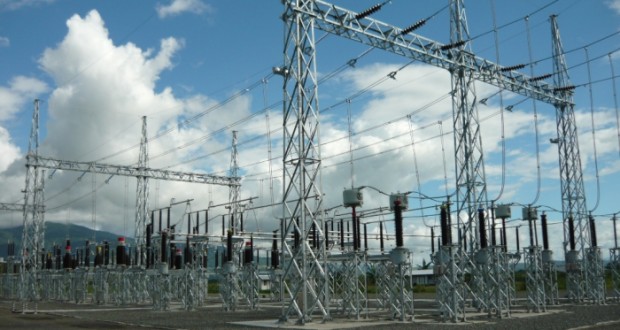
Sunon Asogli Power, which supplies approximately 15 percent of Ghana’s electricity, suspended operations two weeks ago citing $259mn in outstanding payments. The company’s 560-megawatt plant closure has already created significant supply shortfalls, threatening to plunge the country back into the kind of chronic blackouts that earned the notorious nickname “dumsor” — meaning on-off in local dialect — during previous crises.
Data from Ghana Grid Company shows daily power generation has fallen below 3,165MW since the shutdown, with average generation dropping under 3,000MW in the past week. This represents a supply deficit exceeding 500MW during peak hours, even after authorities brought idle plants online to compensate for the shortfall.
More Read

The crisis stems from a complex web of debt within Ghana’s power sector, where state utility Electricity Company of Ghana (ECG) has struggled to collect revenues and meet payment obligations to power producers. The situation has been exacerbated by currency depreciation and rising fuel costs.
Sunon Asogli is demanding an immediate payment of at least $60mn to service operational debts and resume production. However, industry sources say the government, still implementing an IMF-backed economic recovery programme, faces significant constraints in meeting these demands
“This is more than just a liquidity problem,” said Emmanuel Xatse, senior research analyst at the Institute for Energy Security in Accra. “It reflects deeper structural weaknesses in Ghana’s energy sector where systemic debt has become a near-permanent feature.”
The power crisis threatens to derail Ghana’s nascent economic recovery. The country, which defaulted on most of its external debt in 2022, has been working to stabilise its economy through a $3bn IMF programme and comprehensive debt restructuring.
Manufacturing firms, which consume about 30 percent of Ghana’s electricity, have warned that renewed power outages could force production cuts and job losses. The Association of Ghana Industries estimates that previous periods of severe power rationing cost the economy approximately $2mn per day in lost productivity.
“We’re already seeing early signs of load shedding in certain areas,” said IES. “Without swift intervention, this could escalate into a full-blown crisis reminiscent of the 2015 power crisis.”
The government faces difficult choices. A bailout of Sunon Asogli could strain its fiscal position and potentially conflict with IMF programme targets. However, allowing the situation to deteriorate risks significant economic and political costs, particularly with elections scheduled for December 2024.
Energy sector experts recommend a combination of immediate financial relief and longer-term reforms, including strengthening revenue collection mechanisms and implementing comprehensive sector restructuring.
With Ghana’s power grid operating close to its limits, the government faces mounting pressure to address both immediate financial challenges and systemic issues within the energy sector to avert a looming crisis. Without decisive action, Ghana risks entering another prolonged period of power instability, undermining progress in stabilizing its energy supply.
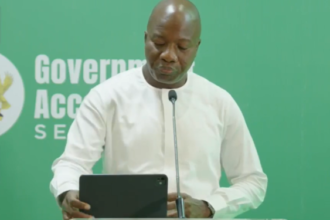
Meanwhile, Ghana’s Finance Minister, Dr. Mohammed Amin Adam, has addressed the recent shutdown of the Sunon Asogli Power Plant during a press briefing following the conclusion of the IMF/World Bank Annual Meetings.
The shutdown of the power plant, he explained, resulted from a payment dispute between the Ministry of Finance and Sunon Asogli after the government declined to make an additional $30 million payment, beyond an agreed $30 million part-payment towards its outstanding debt.
Dr. Amin Adam speaking at the press briefing detailed the negotiations that went on between the Ministry, the Electricity Company of Ghana (ECG) and Sunon Asogli, noting that an initial agreement had been reached to settle the debt with a $30 million payment, contingent upon Sunon Asogli signing a formal settlement agreement.
However, Asogli subsequently demanded an additional $30 million, bringing the total to $60 million, and refused to sign until payment was made, ultimately leading to the plant’s shutdown.
In his remarks, Dr. Amin Adam criticized Sunon Asogli’s approach, describing it as a negotiation tactic ahead of Ghana’s election period, stating that Asogli acted in “bad faith” by leveraging the shutdown as pressure for payment from the Government.
Source: Norvanreport