


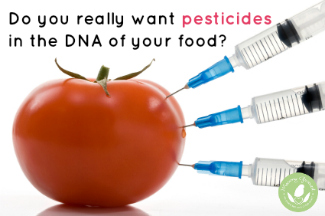
The Peasant Farmers Association of Ghana (PFAG) has called on the general public to be aware of the the influx of Genetically Modified Organisms(GMO) products into the Ghanaian market irrespective of the negative implications to health and the environment. GMOs are dangerous to health, and are the lead cause of carcinogenic diseases, threat to the environmental sustainability and threat to ownership of seeds by local farmers.
The PFAG has observed with dismay the recent dumping of GMO products in Ghana and attributed this to rejection by consumers in USA, Brazil, Argentina, Canada and South Africa, where they originated from.
PFAG advises Ghanaians to develop taste for locally produced products such as local rice, fresh vegetables from Ghana, locally grown poultry and desist from consumption of imported carcasses especially red meat and chicken parts which are full of chemicals and detrimental to health. Consumption of more Ghanaian food contribute to economic growth, promote general health and reduce the risk of carcinogenic cases.
More Read

Reality of Genetically Modified Foods
Advocates of GMOs claim that GMO are safe to eat and that application of GMO seed will increase world agricultural productivity, enhance food security, and move agriculture away from dependence on chemical inputs and help to reduce environmental degradation. They also claim that GMO will modernize agriculture. Counter to this, findings from independent scientists’ shows that, this was well framed profit motive scientists who seek to obscure the reality of the negative consequences on humans from the use of GMOs. The proponents of GMOs are using every means in their power to influence policy makers, the general public, farmers, seed producers, traders and consumers to openly introduce GMOs into the country.
PFAG, however, maintains that GMOs should be resisted at all costs in Ghana. This is from Health and Economic perspectives;
- From health perspective
The advocates of GMOs claim that consuming GMO food is harmless. Recent studies however revealed that, there are potential risks of eating such foods as the new proteins produced could: act themselves as allergens or toxins; alter the food producing plant or animal and causing it to produce new allergens or toxins which are harmful to the human body and even reduce its nutritional quality or value of the food. In the case of herbicide resistant, GMO contain less isoflavones, an important phytoestrogen present in soybeans believed to protect women from cancers. Several research have also linked consuming GMOs with carcinogenic cases. For these and many other reasons GMO engineers have strongly resisted labeling of GMO products which is making it difficult to discriminate against GMOs and Non-GMOs, thereby shielding their companies from potential liability for health consequences of consuming GMOs. Instead, these profit motivated scientists have attributed the recent increases in carcinogenic or cancer cases and other unknown illnesses to eating habits and lifestyle without answering the question; what is it about the food that we eat that causes cancer and other illness? The same habit that was practiced years with less diseases before the advent of GMOs.
- Problems from economic perspective
From the economic perspective, the GMOs’ advocates use pesticide, herbicide and profit motive argument. Unfortunately, their profit motive argument holds, but to their own benefit but losses to farmers. The herbicide resistant crops, such as Monsanto’s “Roundup Ready” soybeans, seeds that are tolerant to Monsanto’s herbicide Roundup, and “Bt” (Bacillus thuringiensis) crops are engineered to produce their own insecticide. The reality of these products is to win a greater herbicide market-share for a proprietary product and, in the second, to boost seed sales at the cost of damaging the usefulness of a key pest management product (the Bacillus thuringiensis based microbial insecticide) relied upon by many farmers, including most organic farmers, as a powerful alternative to insecticides.
The GMO technologies respond to the need of MONSANTO companies to intensify farmers’ dependence upon seeds protected by so-called “intellectual property rights” which conflict directly with the age-old rights of farmers to reproduce, share or store seeds. By controlling germplasm from seed and forcing farmers to pay inflated prices for seed-chemical packages, companies are determined to extract the most profit from their investment and reducing returns to food growers or producers.
Secondly, recent experimental trials have shown that GMOs seeds do not increase the yield of crops. The argument of GMO seed ability to increase yields has recently been proven otherwise. A study by the United States Department of Agriculture (USDA) shows that yields were not significantly different in engineered versus Non-engineered crops grown under the same environment. This was confirmed in another study which examined more than 8,000 field trials, where it was found that Roundup Ready soybean seeds produced fewer bushels of soybeans than similar conventionally breed varieties.
For the above reasons and many others, the Peasant Farmers Association of Ghana is calling on the Ghanaians to be mindful of foods purchased for the festivities and thereafter. Eating locally grown food will not only enhance farmers’ access to market, but will promote good health and guarantee limited GMO health related risks.
Grow the local economy, eat well and live long