

Nigeria’s environmental journalism community is mourning the death of veteran journalist, author, environmental communication expert, and lecturer, Mr. Tunde Akingbade, who passed away on Monday, July 27, 2026, at the age of 67.
Born on March 4, 1959, Akingbade dedicated more than four decades of his life to environmental journalism, earning widespread recognition as one of Nigeria’s pioneering voices on climate change, pollution, conservation, environmental justice, and sustainable development.
He began his journalism career in 1984 and worked with several notable media organisations, including The Guardian, The Guardian on Sunday, African Concord, Sketch Press, and African Science Monitor, before establishing himself as a respected freelance environmental correspondent.
More Read

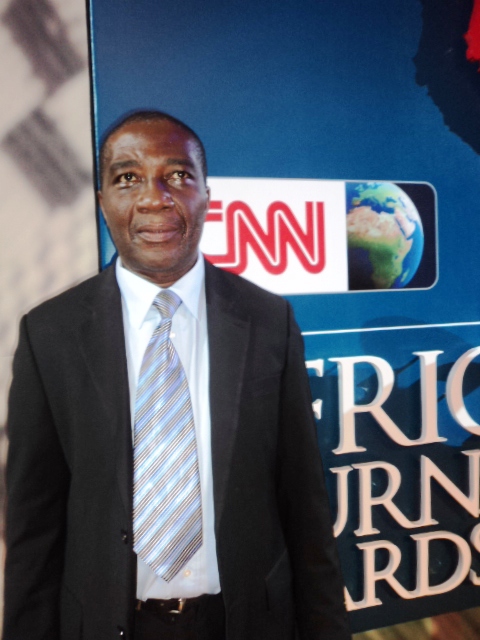
Throughout his career, Akingbade distinguished himself through investigative reporting on environmental issues that attracted both national and international attention. In 2012, he received a Highly Commended Environmental Journalist Award at the CNN/MultiChoice African Journalist Awards for his outstanding environmental reporting. His work highlighted critical issues such as electronic waste, coastal erosion, climate change, and the environmental implications of the Eko Atlantic City project.
Beyond print journalism, he also founded Mr. Environment, a popular environmental programme on RayPower Radio that aired on Saturdays for several years, helping to deepen public understanding of environmental issues.
A prolific writer and educator, Akingbade authored the acclaimed book, Nigeria on the Trail of the Environment: Including Environmental Inequity in Sub-Saharan Africa, regarded as an important contribution to environmental literature for documenting Nigeria’s environmental history and policy evolution.
As a lecturer and mentor, he inspired generations of journalists and environmental communicators through his teaching, writing, and advocacy, while championing evidence-based environmental reporting. His efforts helped transform environmental journalism from a specialised beat into an important pillar of public discourse in Nigeria and across Africa.
According to family members, Akingbade fell seriously ill in 2013 after suffering from an undisclosed ailment that significantly affected his health. He subsequently lived under the care of his elder sister in Akure, Ondo State, where he remained until his passing.
The family disclosed that from 2019 to 2026, relatives and close friends provided monthly financial support for his welfare. They also recalled that shortly before his death, Akingbade sent messages expressing deep appreciation to those who had supported him over the years.
His former employer, Chief Otunba Femi Oduntan, was said to have taken him to the hospital when he first became ill in July 2013 and reportedly covered his initial medical expenses before other family members assumed responsibility for his care.
His death has been described as a significant loss to journalism, academia, and the environmental community, with colleagues remembering him for his courage, integrity, scholarship, and unwavering commitment to using journalism to advance environmental sustainability and public accountability.
Mr. Akingbade is survived by his wife and two sons.
His remains have been deposited at a hospital mortuary. The family has appealed for privacy as they mourn their loss and stated that funeral arrangements will be announced at a later date.
Source: Publicagenda.news