

After over five months of touring the country, MindFreedom Ghana has completed a Shadow Report on the Universal Peer Review (UPR) process and readying itself to submit it to the UN Human Rights Council by the close of Thursday, July 14.
With funding support from OSIWA, MindFreedom Ghana in collaboration with non-state actors and the media organized in-country consultations which facilitated national dialogues aiming to promote the human rights conditions of persons with psychosocial disabilities.
The consultative meetings were organized with representation from 16 administrative regions of the country in four successive zonal locations.
More Read

The dialogues eventually culminated in the drafting and submission of an NGO coalition report – which we are today launching and disseminating – on the status of human rights protection for persons with psychosocial disabilities in Ghana to the UN Human Rights Council.
It further contributed to an inclusive national process of monitoring, assessing, and reporting on Ghana’s human rights performance generally, and specifically on mental health and psychosocial disabilities in the context of the UPR mechanism and ultimately, increase the number of UPR recommendations of Ghana’s human rights obligations to persons with psychosocial disabilities.
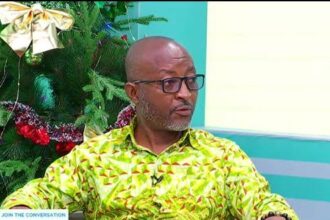
Speaking at the National dissemination event in Accra on Tuesday, Prof. Akwesi Osei, CEO of the Mental Health Authority commended MindFreedom Ghana and the other organizations for a “very beautiful work done.”
He assured the organisations that the Authority is with them and will continue to offer the necessary support when the need arises. “We are assuring that we are with you,” Prof. Osei added.
Touching on the Mental Health Levy, Prof Osei emphasized the need for the levy to be institutionalized to help solve the challenges of the mental health sub-sector.
He added, “the Mental Health Levy is the most singular thing that will solve the challenges”
Mr Clement Kadogbe, Representative from the Commission on Human Rights and Administrative Justice (CHRAJ) indicated that Human rights have become a global language that every human being speaks.
According to Mr Kadogbe, it was time for the human rights condition of persons with mental health illnesses to be brought to the front burner.
He told participants that Ghana supported the recommendation of the 3rd cycle of the UPR process and would continue to support all other initiatives that would inure to benefit all. He also commended the civil society groups that contributed to the compilation of the Shadow Report.
The Representative of the UN Resident Coordinator, Dr Sofonias Astrat, lauded the coalition of NGOs and advocated for their continuous effort at ensuring the prioritisation of mental health in the health sector and national development response including the protection of human rights persons with mental health conditions and disabilities.
According to Dr Astrat, several policy interventions have enabled the government to improve access and delivery of mental health services at all levels.
“As the United Nations, we are committed to ensuring the right-bases approach to health, including mental health.
“As development partners, we will continue to support the ministry and its agencies, especially the Mental Health Authority to achieve its strategic plan objectives through human rights-based approaches.”
He used the forum to encourage the government to ensure full implementation of the provision on the right of persons with mental disorders envisioned in the mental health act of 2012.
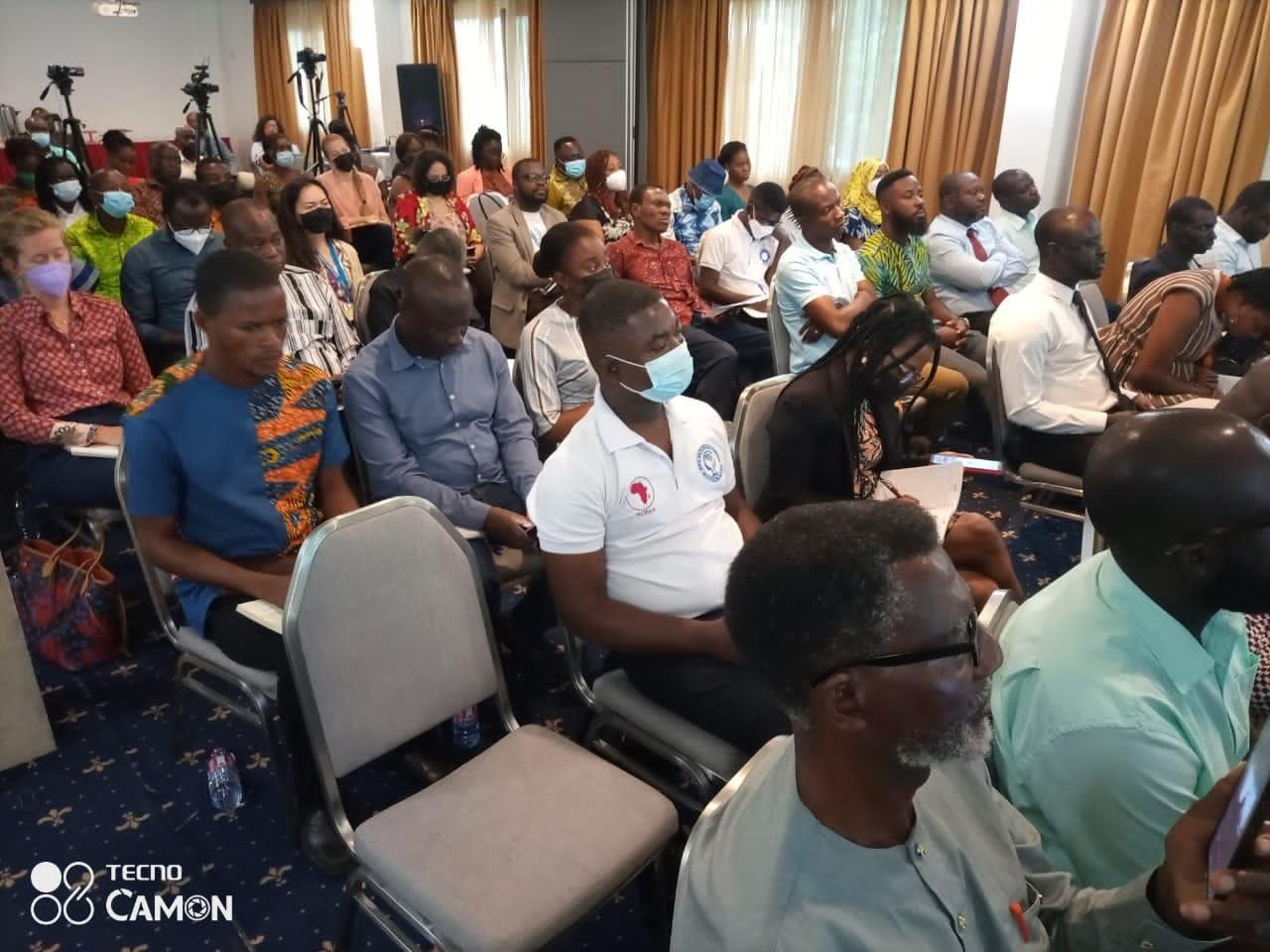
The event, which was chaired was chaired by Madam Esther Akua Gyamfi, Executive Secretary, National Council for Persons with Disability (NCPD), brought together participants from all the 16 administrative regions in Ghana, Development Partners, Government Agencies, Civil society organisations, and the media.
On his part, Mr Dan Taylor, Executive Secretary of MindFreedom Ghana (MFGh), explained that the UPR is a process organized every four [4] years for all the one hundred and ninety-four [194] United Nations Member States to review the human rights situations of each country. It is a universal process because it deals with all areas of Human Rights and involves all the member states of the UN.
Mr Taylor pointed out that Ghana’s Human Rights record has been reviewed three times by the Human Rights Council in 2008, 2012, and 2017.
He told the participants that in Ghana, NGOs’ involvement in the UPR did not commence until after the first round and four years of the review in 2012 at the invitation of the Commission on Human Rights and Administrative Justice (CHRAJ) as part of the national process for drafting the State Report to the UPR.
“It is on record that the State did not embark on wide consultations with civil society organizations till the second round of the review process where it involved five (5) national NGOs in consultations. Subsequently, the momentum for NGOs’ involvement in the process appreciated, leading to the creation and engagement of a CSOs’ UPR Platform in the reporting process for UPR,” Mr Taylor added.
By: Mohammed Suleman/Publicagendagh.com