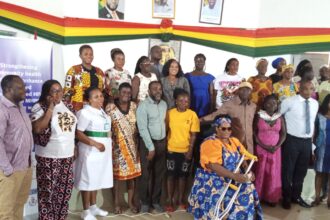



The Ghana AIDS Commission (GAC) is partnering the Ministry of Gender, Children and Social Protection to consider the inclusion of poor households living with persons infected and affected by HIV, in the Livelihood Empowerment Against Poverty (LEAP ) programme.
The move is to ensure that such households, whose members earn an average monthly income of GH¢300 and were finding it difficult to support their family members living with HIV/AIDS, were catered for under LEAP.
The acting Director-General of the GAC, Mr Steve Kyeremeh Atuahene, who announced this in Accra, said: “We are currently working out plans to develop a criteria to ensure the prevention of stigmatisation against persons living with HIV/AIDS.”
More Read

He made the statement at the presentation of the 2018 Assessment of Food Security and Vulnerability Households report, released in Accra on Monday, May 6.
Study
The research, which engaged 1,666 adults aged 18 and above and living with persons affected and infected with HIV in the Northern, the former Brong Ahafo, Eastern and Western regions, assessed food insecurity and the vulnerability status of such household members.
The study was to inform GAC and the World Food Programme (WFP) about the food security situation of PLHIV in Ghana.
The 66-page report was conducted by a team of researchers from the School of Public Health, University of Ghana, from July to November 2018 and it was funded by the WFP and overseen by the GAC.
Mr Atuahene said unlike in the past when there was a food safety net for persons living with HIV/AIDS, a support made possible by development partners such as the WFP and the USAID, the current level of food insecurity facing such persons was quite disturbing.
He, therefore, called for measures to make the government’s Planting for Food and Jobs and the Planting for Export and Rural Development (PERP) programmes beneficial to more vulnerable persons, including PLHIVs, across the country.
He also urged the Ghana Network of Persons Living with HIV/AIDS (NAP+ Ghana) to pursue various empowerment activities to support its members to undertake income-generating ventures to support themselves.
Study findings
Presenting the highlights of the report, the lead researcher, Dr Amos Laar, said about 349 out of the 1,666 households that had people living with persons infected or affected by HIV in the four regions where the study was conducted, were facing food insecurity.
He said the Northern Region recorded the highest prevalence of food insecurity – at 24 per cent – while the Brong Ahafo Region recorded 16.4 per cent to be the region with the lowest rate of food insecurity.
According to him, of the 36,586 persons living with HIV who were currently receiving anti-retro viral treatment (ART) in the Northern, Brong Ahafo, Western and Eastern regions, 7,778 persons faced food insecurity and might require immediate support to improve their food and nutrition needs.
Source: Graphic.com.gh