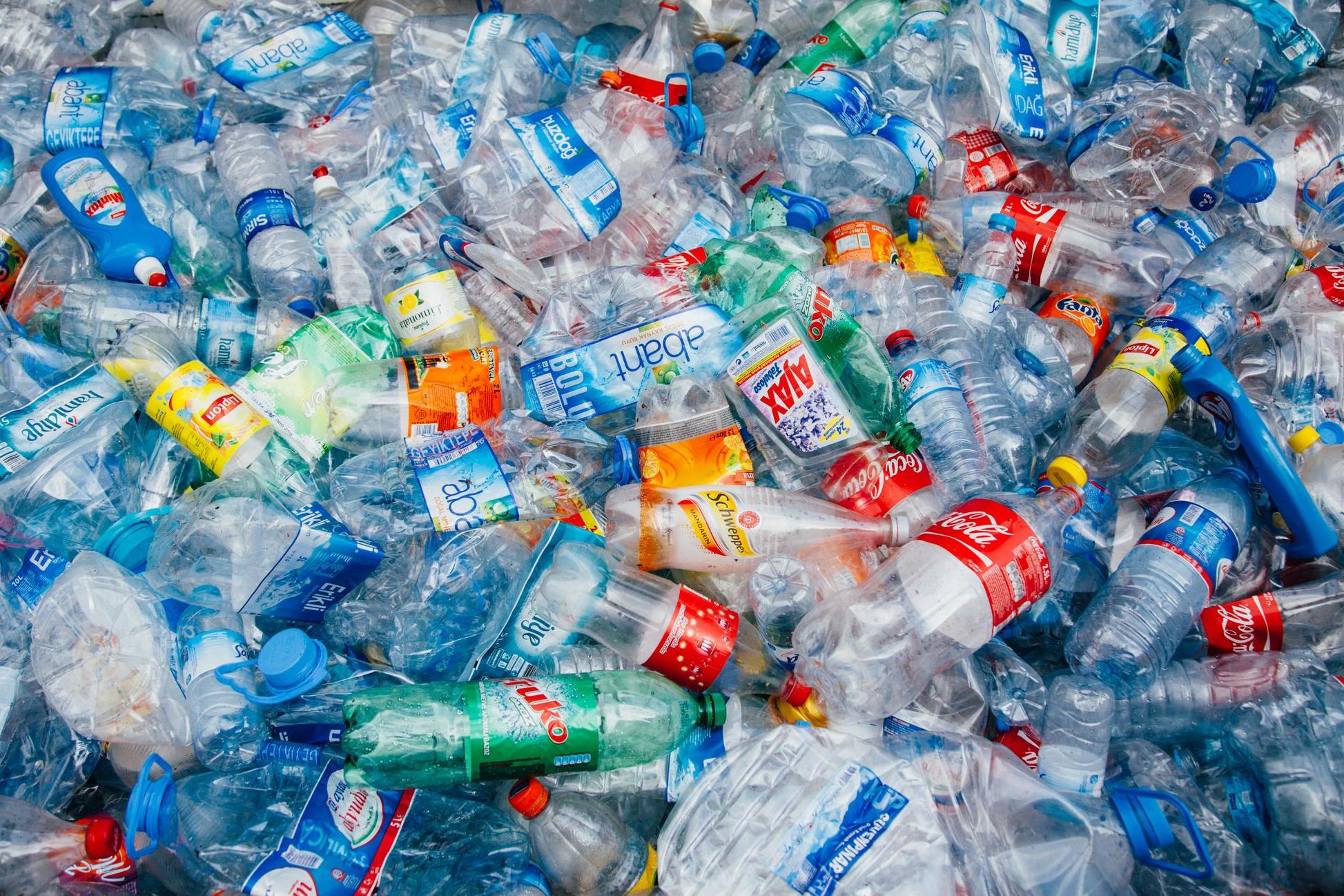
The First Lady, Mrs Rebecca Akufo-Addo, has been selected as ‘Co-Champion’ of a continental campaign aimed at getting African countries to ban plastic products which generate waste.
The campaign, which is on the theme: “Banning plastics towards pollution-free Africa”, was initiated by the Department of Rural Economy and Agriculture (DREA) of the African Union (AU) Commission to rid African cities of plastic waste.
One of its objectives is to advocate and create awareness of the impact of plastic in Africa.
More Read

It is also to help share experiences, strategies and measures being undertaken at the various national and regional levels.
Mrs Akufo-Addo and the First Lady of The Gambia, Mrs Fatoumata Bah Barrow, who is the campaign ‘Champion’ in West Africa, are to advocate a plastic pollution free West Africa.
Other champions
The First Ladies of Congo and Gabon are the Champion and the Co-Champion, respectively, for Central Africa; the First Ladies of Rwanda and Kenya are the Champion and Co-Champion for East Africa, while the First Ladies of Egypt and Mauritania are the Champion and the Co-Champion for North Africa.
The campaign also has the First Ladies of Angola and Botswana as the Champion and the Co-Champion, respectively, for Southern Africa.
So far, 12 African countries, including The Gambia, Guinea-Bissau, Benin, Mauritania, Mali, Cameroun, Senegal and South Africa, have banned the use of plastics and are promoting alternatives such as bio-degradable materials.
Risk to human health
The African Union (AU) Commissioner for the DREA, Ambassador Josefa Sacko, at a high-level session on the campaign in Addis Ababa on the margins of the 22nd Ordinary General Assembly of the Organisation of African First Ladies Against HIV and AIDS (OAFLA), said about 90 per cent of all trash floating on the surface of the sea was believed to be emanating from plastics.
She said plastics affected all biological spectrum, including posing risks to human health and wildlife, and, therefore, “beating plastic pollution calls for both individual, as well as collective efforts, while engaging government institutions, civil society organisations, the private sector, faith-based organisations, research institutions, among others”.
Ambassador Sacko said the First Ladies had been carefully selected to spearhead the campaign for the ban of plastics and thereby reduce their negative impact on the continent.
She said the AU was collaborating with the United Nations Environment Programme (UNEP) in the campaign and had started engaging with other partners to support the cause.
Threat to environment
The First Lady of Kenya, Mrs Margarette Kenyatta, who is also the President of OAFLA, said the fight against plastic pollution would require strong legislation and capacity building for advocacy and education to deal with it.
She said environmental pollution placed a lot of burden on women and children, as they were the most affected when the environment was degraded.
The Director and Regional Representative, Africa Office of the UNEP, Dr Juliette Biao, said pollution killed nine million people worldwide in 2015, accounting for 16 per cent of all deaths in that year.
Pollution, she said, was the main cause of non-communicable diseases, adding that it, therefore, needed to be stopped to prevent the high cases of diseases being recorded across the continent.
Citing Ghana’s Kwegyir Aggrey’s famous quote, ‘If you educate a man, you educate an individual, and if you educate a woman, you educate a nation’, Dr Biao said the collaboration among African First Ladies was a step in the right direction in fighting the present plastic waste pollution that had engulfed major cities on the continent.
Panel discussants
The First Lady of Botswana, Mrs Neo Masisi, contributing to a panel discussion, prescribed a ban on plastic use as the solution to addressing poverty and pollution in Africa.
The First Lady of Congo, Mrs Antoinette Sassou Nguesso, said the First Ladies had a role to play in the areas of advocacy and education to sensitise people to the need to stop polluting the environment.
International partners
The Head of the Japanese Mission to the AU, Mr Fumio Shimizu, pledged Japan’s commitment to help in reducing plastic waste pollution in Africa.
He said the issue called for the reduction, reuse and recycling of plastic waste on the continent.
The acting Director and Head of Unit, European Union International Cooperation and Development for Eastern Africa, Mr Hans Stausboll, said Africa was a paramount ally in achieving climate change in the world.
He called for citizens of the continent to be mobilised and involved in the effort to achieve a pollution free environment.
Source: Graphic.com.gh