

Despite Ghana being signed onto relevant conventions and protocols on Anti-Trafficking and has translated these into national laws and policies such as The Human Trafficking Act, Act 694 which was passed in 2005, Ghana still remains a source, transit and destination country for men, women, and children subjected to forced labor and sex trafficking.
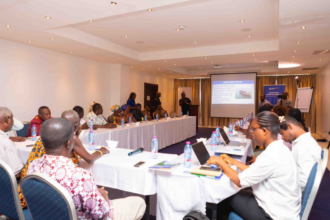
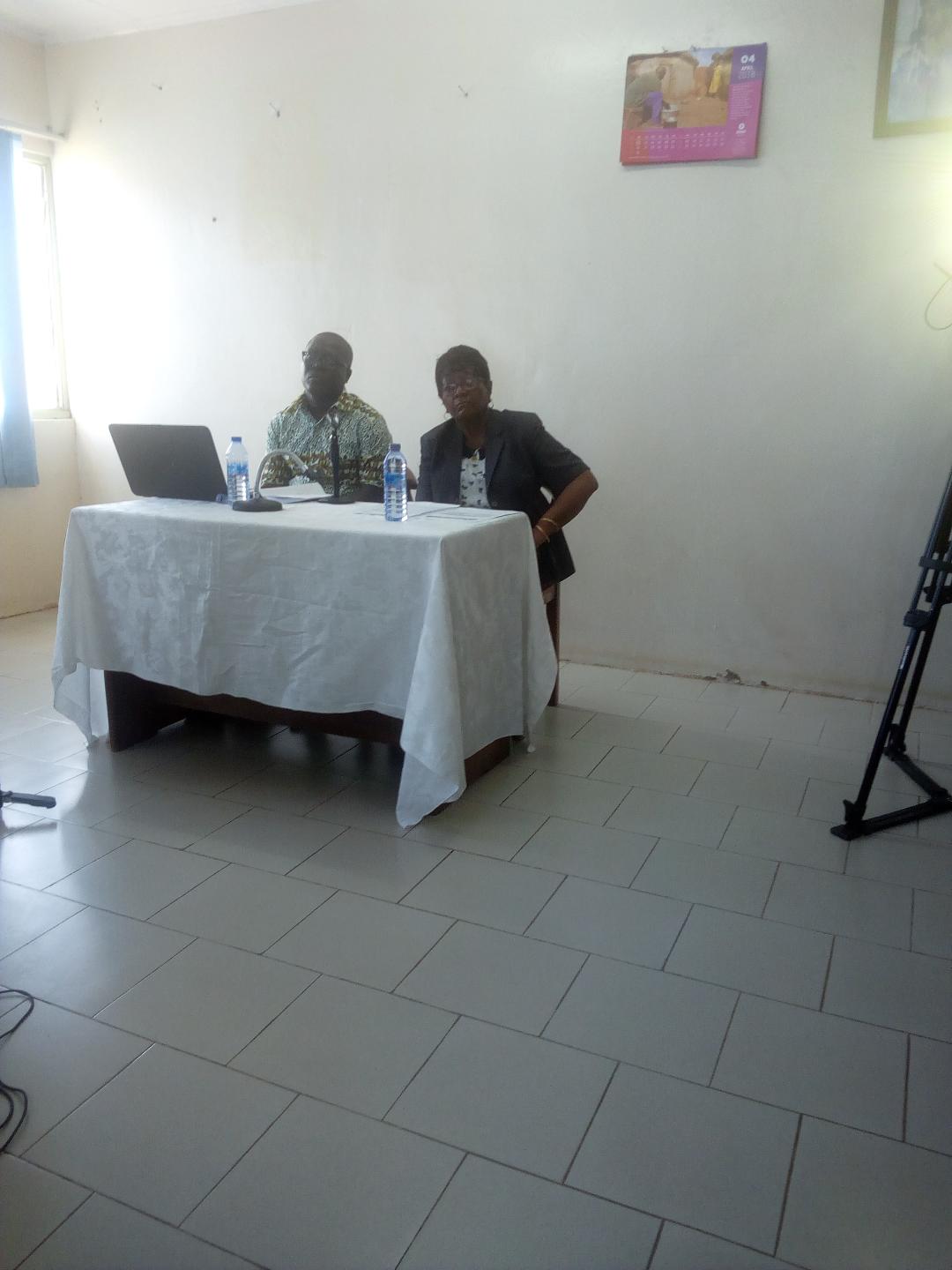
During an engagement with the media last Tuesday in Accra, Mr Adolf Awuku Bekoe, Convenor, Coalition on Domestic Violence Legislation, said unemployment, social exclusion, discrimination, violence, poverty are some of the many factors that affect a person to become a victim of human trafficking.
The event was put together by Abantu for Development with support from the Urgent Africa- Fund. It was meant to among other things sensitize and enhance the knowledge of the media to the causes and effects of human trafficking of women and girls in general.
More Read

Ghana is classified as a Tier 2 Watch List country, meaning the government does not fully meet the minimum standards for the elimination of trafficking in persons and has failed to provide evidence of increasing efforts to combat severe forms of trafficking in the past year.
Mr Bekoe noted that, Human Trafficking is the second largest crime following illegal drugs, adding that it is high profiting business for criminals now.
According to him the modern way these criminals now use, is to ‘’sugarcoat’’ people especially ladies to travel to these Arab countries where they are promised jobs with good salaries but upon getting to their destinations, they experience the vise-versa.
He said, even though legal regimes played important roles in curbing social evils, it was better the problems were tackled from the root causes.
Mr Bekoe added that, social intervention measures are required to ensure the means of livelihood of the people so as not to be lured or baited with money by agents of human trafficking.
He said the state should ensure that children enrolled in school and remained in school till they had acquired the necessary skills to work and earn a living because idle children were easily lured into accepting offers that ended them up in servitude and exploitation.
According to Hamida Harrison, the lack of adequate social provisioning and protection had compelled many girls and women to fall prey to the inhumane practice of trafficking in persons.
Human Trafficking is an issue that is not well documented, well publicized or have received the requisite state attention. In addition social development trends in Ghana are not moving in the right direction with serious consequences for girls, young women and other disadvantaged social groups. The lack of adequate social provisioning and protection has forced many girls and women to fall prey to the fraudulent and inhuman practice of trafficking in persons.
Human trafficking involves the buying and selling of a person for the purpose of exploiting the individual in various forms. The phenomenon adversely affects millions of people, young and old, fetching the perpetrators billions of dollars in profits.
By: Latifa Carlos