


The Integrated Social Development Centre (ISODEC) has described the implementation of the Action for Voice, Influence and Inclusive Development (AVID II) Project as a success, citing significant improvements in citizen participation and community-led advocacy across beneficiary communities in the Mfantseman area.
The AVID II Project, funded by the STAR-Ghana Foundation and implemented by ISODEC, officially ended on June 30th after being implemented in the beneficiary districts of New Abirem and the Mfantseman Municipality.
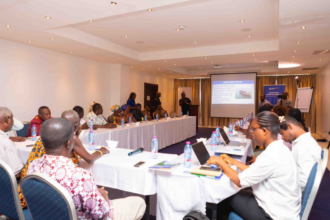
Speaking during a project assessment and learning session at Saltpond recently, Mr Michael Tettey, Monitoring and Evaluation Officer at ISODEC said the initiative was intended to strengthen citizens’ capacity to engage public institutions and demand improved service delivery through structured advocacy and community participation.
More Read

Mr Tettey indicated that as part of the project, ISODEC established and trained groups of active citizens known as Accountability Labs (ALs). The ALs, according to him, were equipped with the knowledge and skills required to serve as community champions, leading advocacy efforts on local development issues and engaging duty bearers to address the needs of their communities.
The ALs were drawn from various communities, including Anokye, Ewoyaa, Abonkor Kyeakor Krampakrom, Krofu, Ansaadze, and Afrangjuah within the Mfantseman municipality
Mr Tettey explained that the project employed the Participatory Rural Appraisal (PRA) methodology, enabling community members to identify and prioritize their own development challenges while developing long-term visions for the future of their communities.
He said capacity-building workshops and stakeholder engagement sessions were further deployed to enhance citizens’ understanding of governance processes and accountability mechanisms.
He added that with the project drawing to a close, ISODEC organized the evaluation session to assess the extent to which the Accountability Labs (ALs) had applied the knowledge acquired throughout the project.
“So after we have done all that, now that the project is ending, we wanted to assess and evaluate whether the project has actually made an impact and whether the knowledge that has been bequeathed to these accountability labs have actually been used in their communities.
“So we organized this session to assess the accountability labs, to hear from them. And from what they told us, from the evidences that they provided, we realized that the project has more or less been successful. They have acquired the knowledge, they have been empowered, they now know where to channel their grievances to. So a classic example is water, where because of the knowledge, because of the skill that these accountability labs have come to acquire, they were able to advocate for the rural council in the area to provide water to their community, and they are getting water for free, which hitherto wasn’t there.
According to Mr Micheal Tettey, Monitoring and evaluation specialist at ISODEC, testimonies and evidence presented by participants demonstrated that the intervention had made a meaningful impact. Community members reported increased confidence in engaging public authorities, a better understanding of grievance redress mechanisms, and greater ability to advocate for improved public services.
One of the most notable successes highlighted during the assessment was improved access to potable water in one of the beneficiary communities. Members of the Accountability Labs explained that, using the advocacy and engagement skills gained through the project, they successfully engaged the relevant authorities, resulting in the provision of free water to residents. The community had previously struggled with limited access to safe water.
Participants from other communities also shared experiences of engaging local authorities on development concerns, noting that they now understand the appropriate channels through which to raise issues, including working with the district and relevant stakeholders to seek solutions.
The Assistant Development Planning Officer at the Mfantseman Municipal Assembly, Mr. Julius Sakyi, commended ISODEC for empowering citizens, particularly young people, to become active participants in local governance. He noted that the project has also strengthened accountability and collaboration between communities and public service providers.
Publicagenda.news