Twenty Four Rural and Community Bank Managers across the country have pledged their commitment to offer credit facilities to farmers with Warehouse Receipts from certified warehouses.
The bank managers also indicated that giving more loans to the farmers will enable them to increase their agricultural portfolios while supporting farmers to produce more food to expand their respective local economies.
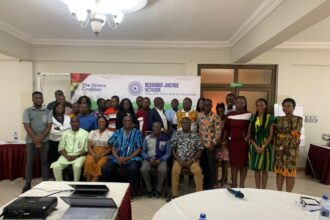
The bankers made this commitment at a training workshop in Kumasi organized by the International Finance Corporation (IFC) – a member of the World Bank Group, with financial support from the Swiss State Secretariat for Economic Affairs (SECO).
More Read

The workshop was aimed at creating awareness on the IFC’s WRS project and the various risk mitigation measures to encourage agribusiness financing by the financial institutions.
This financial assistance will empower smallholder farmers to buy more agricultural inputs, plough more acreage and produce more grains thereby improving the country’s food security as well as financial wellbeing of the farmers.
The WRS receipt is a document of title given to farmers after they store their produce in a certified warehouse. The farmers are then able to use the WRS receipt as collateral to secure financial assistance from the WRS partner banks.
Representatives from the various banks said this intervention for farmers has been long overdue and they are in full support of the project.“We are very excited because this will pave the way for us to help them more.”
The farmer can apply for a short-term credit from a participating bank or other financial institution using the warehouse receipt as security for a loan, thus increasing access to finance for farmers.
The Ghana Warehouse Receipt System Project is a technical assistance and advisory services project aimed at setting up a well-functioning regulated Warehouse Receipt System that is expected to facilitate an increased access to credit to farmers and the supply chain, linkage to structured markets and reduce post-harvest storage loses. This intervention focuses on supporting a well-functioning WRS as a necessary pre-condition for a successful implementation of the Ghana Commodity Exchange. The project addresses WRS on a policy and regulatory level, system level, including technical advisory, training, capacity building and awareness raising for various stakeholders in the public and private sector.
The IFC—a sister organization of the World Bank and member of the World Bank Group—is the largest global development institution focused on the private sector in emerging markets. IFC also works with more than 2,000 businesses worldwide, using capital, expertise, and influence to create markets and opportunities in the toughest areas of the world. In fiscal year 2018, IFC delivered more than US$23 billion in long-term financing for developing countries. For more information, visit www.ifc.org.
By: Publicagendagh.com