

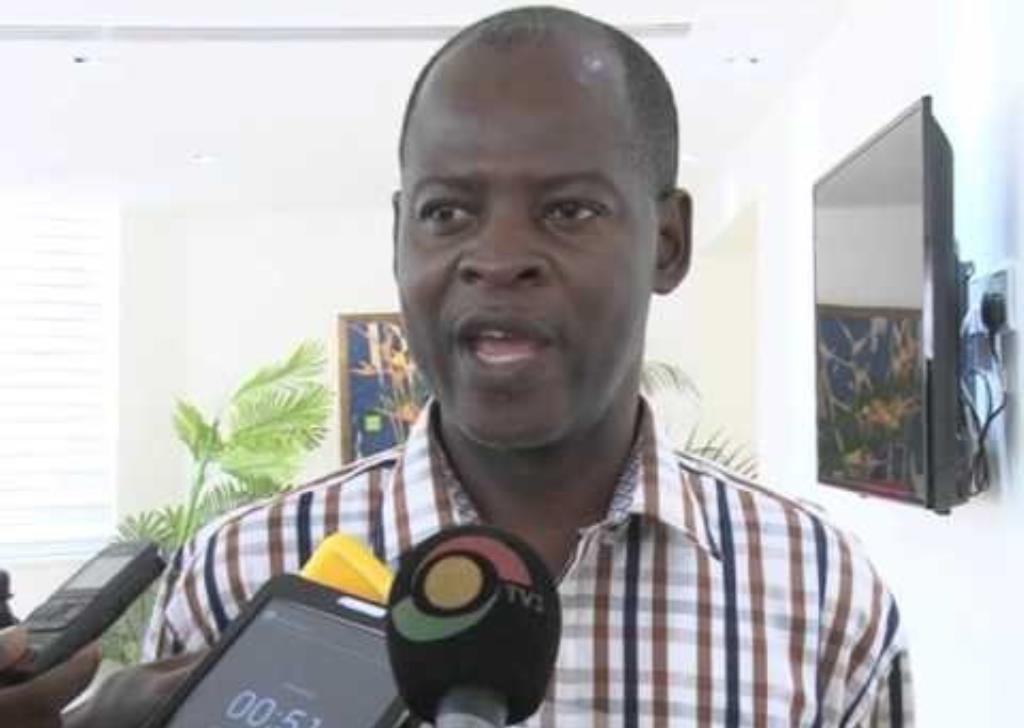
The Co-Chair of the Ghana Extractive Industries Transparency Initiative (GHEITI), Dr Steve Manteaw, has called for the enforcement of the recommendation that seeks to introduce the payment of royalty monthly, rather than quarterly.
He said the recommendation by the GHEII, which was later announced in the 2015 budget statement, had not been followed because all the companies still paid quarterly.
“There is no sense for somebody to hold on to your money for three months before giving it to you. If you were to buy treasury bills, you know how much money you will be making out of it ? It is only Newmont which is doing so voluntarily,” he stated during a media engagement on the analysis of the 2015 GHEITI reports for the mining and oil /gas sectors.
“It does not mean the Ghana Revenue Authority (GRA) is not doing its work. What it means is that the enabling legislation to give effect is not there. After making the announcement, we should gone ahead to amend the law for royalty payment a mandate.”
More Read

Dr Manteaw said the issue had on several occasions been raised with the previous and current government (at the ministerial level) but it still has not been done.
Consequently, he indicated that most of the companies held on to the country’s money for three months before they paid.
“They collect the money for the gold they have sold, and they don’t pay and so they can go and do business with it,” he said.
Resources for development
The Co-Chair said whereas natural resources had been catalyst for sustainable development in developed countries, it had catalysed corruption in developing countries.
“We don’t see the real contribution of national resources and it happens because there is no transparency on the part of duty bearers who receive the money on behalf of the people,” he said.
The way to cure this, he said, would be to ensure that citizens would have access to information on how the natural resources are developed and what revenues are derived from them.
“Citizens should be able to demand accountability. That’s why countries such as Ghana has signed on to the EITI to produce periodic reports to enhance transparency around the generation and spending of revenues from the extractive sector, among others,” he said.
He added that the role of the media in spreading the news on the reports further was key.
Highlights of the report on mining sector
The report found that in 2015 there were two disbursements of mineral royalty in October 2015 and December 2015.
However, some district assemblies in the Ashanti and Western Regions did not receive any payments in 2015.
It recommended that the Office of the Administrator of Stool Lands should endeavour to pay royalty receipts to district assemblies as quickly as possible.
This will provide the necessary confidence for the assemblies to use these funds for development projects, as contractors engaged on such projects shall be paid promptly.
Data from the Minerals Commission in the period under review also showed that there were amounts labelled as considerations for mineral rights, but not attributable to any company.
In determining materiality for reconciliation, companies that made significant payments could be overlooked because some of their payments may not have been correctly allocated to them.
The report recommended that all should be attributed correctly to facilitate the matching of payments to the appropriate companies.
This will also assist in ensuring that materiality determinations are properly made, as all the extractive entities will have the full complement of their payments.
Source: Graphic.com.gh