

Three international security organisations, including INTERPOL, have called for a substantial overhaul of the regulatory, enforcement and educational systems of medical supply chains in Africa to reduce the proliferation of counterfeit drugs.
According to the three organisations — the Institute of Security Studies, INTERPOL and the Global Initiative against Transnational Organised Crime — there was a liberal criminal market for fake medical products which were causing widespread loss of lives annually.
The call formed part of recommendations made in a study dubbed: “The rise of counterfeit pharmaceuticals in Africa” which the three organisations commissioned under a bigger project known as “Enhancing Africa’s response to transnational organised crime (ENACT)”.
More Read

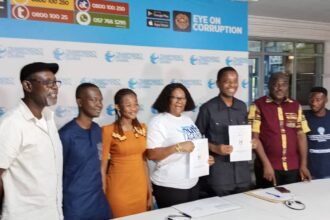
ENACT disseminated key findings of the study in Accra yesterday, in collaboration with the Kofi Annan International Peacekeeping Training Centre (KAIPTC).
ENACT, a project being implemented by the three organisations, with funding from the European Union (EU), seeks to enhance Africa’s capacity to respond more effectively to transnational organised crime.
Africa targeted
Presenting the key findings of the research, the Lead Author of the study report, Mr Robin Cartwright, said fake pharmaceuticals accounted for about 30 per cent of drugs on the market and it was estimated to be worth up to $200 billion a year, making it the most lucrative sector in illegally copied goods.
He said counterfeiters found Africa an easier target because it had not developed a strong armoury of responses to counterfeit pharmaceuticals in which track and trace technology and enforcement were used.
Additionally, he said, globalisation had made it harder to regulate, track and ensure quality of medical products, as medicines were manufactured, printed and shipped to and from a number of countries where fraud could occur at any point.
Mr Cartwright said counterfeiters targeted high demand drugs, adding that antimalarials and antibiotics were among the commonly reported counterfeits.
According to him, research by the London School of Hygiene and Tropical Medicine showed that fake malaria drugs caused 64,000 to 158,000 deaths every year in sub-Saharan Africa.
He said medications for deadly diseases such as malaria, HIV, typhoid, syphilis, among others, were counterfeited and so missed key ingredients which could effectively work on those diseases.
Mr Cartwright indicated that what made the situation even more worrying was that those medicines were widely sold on the streets.
Recommendations
Although some effort to fight the menace appeared to be ongoing in some countries, Mr Cartwright said, the current responses were not robust enough and tended to be piecemeal in their approach.
He, therefore, recommended that a legal and regulatory framework for combating medicine fraud be enacted and enforced at the national levels.
“When counterfeit pharmaceuticals are detected, responses to incidents need to be quick and proportionate, protecting patients and taking appropriate actions against those responsible, without causing unnecessary shortages or distrust in medicines,” he advised.
He further recommended that a consistent and regular assessment of counterfeit drugs should be carried out and awareness of the menace raised.
‘Buy from registered places’
The Director of Pharmaceuticals at the Ministry of Health, Mrs Martha Gyansa-Lutterodt, corroborated the fact that counterfeit drugs were inimical to the healthcare system and derailed the efforts of achieving universal health coverage.
She said the Ministry of Health and the Food and Drugs Authority (FDA) were working hard to contain the challenge through their monitoring and surveillance systems.
Mrs Gyansa-Lutterodt said for its part, the public must collaborate with the ministry and the FDA to clamp down on counterfeit drugs by providing the two bodies with information and also desisting from patronising such medicines.
She also urged members of the public to buy medicines from only registered pharmacies and licensed chemical sellers and never on vehicles and at other unauthorised places.
Source: Graphic.com.gh