


The FAO Assistant Director-General and Regional Representative for Africa, Bukar Tijani, says individual efforts and collective commitment at all levels will propel the Africa region in meeting the Zero Hunger targets of the pan-African 2025 Malabo Declaration and the 2030 Sustainable Development Goals.
“As individuals, we have to take concrete actions to end hunger, poverty and malnutrition,” he said, further adding that we need to make an effort and consciously get involved in the fight for Zero Hunger. These commitments will result in an uptick of tangible achievements and reverse the alarming progression of malnutrition in the region.
Speaking at a panel discussion in Accra on ways to achieve Zero Hunger by 2030, which is part of this year’s World Food Day celebration, Tijani advocated to halt the trend on food waste and post-harvest food losses, and called for an increase in food production to ensure food security.
More Read

This year’s theme — “Our Actions are Our Future: a Zero Hunger World by 2030 is Possible,” brought to the fore the need for collective efforts to meet the global target of eliminating hunger. Over 150 countries around the world observe the World Food Day.
The Assistant Director-General and Regional Representative for Africa underscored the importance of creating agribusiness opportunities for the youth as well as encouraging entrepreneurship in all forms of agricultural commodities, including fisheries, livestock and poultry.
“We have to look at the processes of food production, add value to the food we eat, which will extend life span, ensure food security, and stabilize commodity prices,” he noted.
He specifically pointed to the need for urgent action to stem the rising incidence of obesity to reduce its socio-economic burden on the continent, and stated, “Obesity rates are increasing faster in Africa than in any other region and this requires critical and urgent action.”
He added: “Currently, eight of the 20 countries in the world with the fastest rising rates of adult obesity are in Africa, and we have to underline the huge socio-economic costs of obesity, a risk factor for many non-communicable diseases such as heart disease, stroke, diabetes and some types of cancer,”.
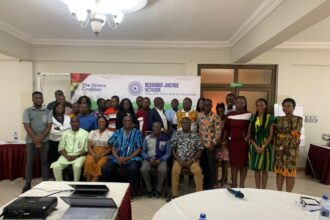
The panel discussion formed part of the events to mark the World Food Day in Ghana, with participants from Government institutions, United Nations agencies, farmer groups and other civil society organizations.
Numbers of hungry and undernourished people on the rise
Hunger is on the rise globally and according to latest estimates, the number of undernourished people in the world increased again in 2017 for the third consecutive year.
“Last year, 821 million people, representing 11 percent of the world population, suffered from hunger; most of them were family and subsistence farmers living in poor rural areas of sub-Saharan Africa and Southeast Asia.”
In 2017, roughly 30 percent of the world’s hungry were women and about 45 percent of infant deaths stem from undernutrition. Furthermore, 1.9 billion people are overweight, including 672 million adults suffering from obesity. Data show that 3.4 million overweight people die each year.
Current global food systems have increased the availability and accessibility of processed food that is very caloric and energy-dense, high in fat, sugar and salt, Tijani noted, emphasising on the need to improve on food systems for people to consume more healthy and nutritious food.
Collective effort and multisector approach key to achieving ‘Zero Hunger’ target
“We need to address obesity as a public issue, not as an individual problem, Tijani said, adding, “This requires the adoption of a multisector approach involving not only governments, but also international organizations, national institutions, civil society organizations, the private sector and citizens in general.”
He further pointed out that there must be a collective effort towards healthy diets that include, for instance, the creation of norms such as labelling and the banning of some harmful ingredients; the introduction of nutrition in the school curriculum; the adoption of methods to avoid food loss and waste; and the establishment of trade agreements. These efforts will lead to free access to locally grown, fresh and nutritious food from family farming.
Zero Hunger is broader and not limited to the fight against undernourishment. It aims to provide people with the necessary nutrients for a healthy life. Zero Hunger encompasses the eradication of all forms of malnutrition. Therefore, it is not just about feeding people but nourishing people as well.
FAO celebrates World Food Day each year on October 16 to commemorate the founding of the Organization in 1945. The event calls for a worldwide awareness and action for those who suffer from hunger, as well as the need to achieve Zero Hunger, ensure food security and nutritious diets for all.
Source: GNA