

The Director of Research at the Institute of Economic Affairs (IEA), Mr John Kwakye has said there is a need for the government and the Bank of Ghana (BoG) to directly address the main drivers of high inflation.
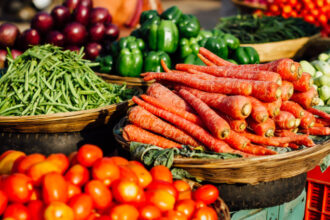
The drivers are food, fuel and exchange rate, he said.
The inflation rate for the month of July 2022 was 31.7 percent, the Ghana Statistical Service (GSS) announced on Wednesday, August 10.
More Read

This is up from the 29.8 percent recorded in June. On a year-on-year basis, the difference between Food inflation (32.3%) and Non-food (31.3%) was 1 percentage point.
On month-on-month basis, food inflation (3.3%) records a higher rate than non-food (3.0%), leading to 0.3 percentage point difference.
The percentage point increase in Non-food inflation (2.1) between June and July 2022 is higher than food inflation (1.6).
“As I have repeatedly suggested, there is a need for the Bank of Ghana and Govt to address directly the key drivers of inflation—food, fuel, exchange rate. Relying on the Policy Rate alone will be very costly,” Dr John Kwakye tweeted while reacting to the new policy rate of 22 percent as announced by the Monetary Policy Committee (MPC) of the BoG on Wednesday, August 17.
He added “For Bank of Ghana to raise the reserve requirement of banks aimed at mopping liquidity that is fuelled in part by the bank’s own overdraft to Govt is not only difficult to justify but can also be counterproductive.
“BoG should change the forex-cedi reserve requirement regime to forex-forex regime. That is not only what the banks want but it will also boost forex available to BoG.”
Speaking at the MPC’s emergency meeting in Accra, the Governor of the BoG Dr Ernest Addison said recent developments in the foreign exchange market showed elevated demand pressures, reflecting among others, continued heightening of uncertainties in the global economy, rising inflation in many advanced economies and the resultant coordinated tightening of monetary policy stance by major central banks.
This, he added, has further tightened global financing conditions with significant implications for Emerging Markets and Developing Economies (EMDEs), especially for those with weak fundamentals.
The US Dollar has strengthened against all major currencies. From the beginning of the year to date, the pound sterling has weakened against the US dollar by 12.4 percent while the Euro has also weakened by 11.8 percent. Countries similar to Ghana (Ghana’s peers) are all experiencing sharp depreciation to date.
The Ghana Cedi, he noted, has depreciated by 25.5 percent year-to-date, reflecting the Ghanaspecific situation, including the challenging financing of the budget from both domestic and external sources, downgrading of sovereign credit rating, nonresidents disinvestment in local currency bonds, and loss of reserve buffers.
“The execution of the budget for the year has remained challenging. Revenue has not kept pace with projections and created financing challenges. In the absence of access to the international capital market and given the constrained domestic financing, central bank overdraft has helped to close the financing gap as reflected in the mid-year budget review. The Bank of Ghana is working with the Ministry of Finance to agree on a cap on the overdraft.
“Whilst addressing the immediate financing problems, the ongoing policy discussions with the IMF are expected to address the underlying
macroeconomic challenges, restore fiscal and debt sustainability and provide a sustainable balance of payments cushion.
“Under the circumstances, and considering the risks to the inflation outlook, the Committee decided on a 300 basis points increase in the Monetary Policy Rate to 22 percent.”
Source: 3news.com