

Ghana’s inflation rate continued its downward trend in March 2026, falling to 3.2%, according to the latest data released by the Ghana Statistical Service (GSS).
his marks a slight decline from 3.3% recorded in February 2026 and a dramatic drop from 22.4% in March 2025, representing a sharp 19.2 percentage point decrease year-on-year.
The GSS noted that this is the lowest inflation rate recorded since the 2021 rebasing exercise and also marks the 15th consecutive month of disinflation since January 2025, signaling sustained macroeconomic stability.
More Read

Monthly Price Movements
Despite the overall decline in annual inflation, prices inched up by 0.1% between February and March 2026, indicating modest month-on-month increases in the general price level.
Food and Non-Food Inflation Trends
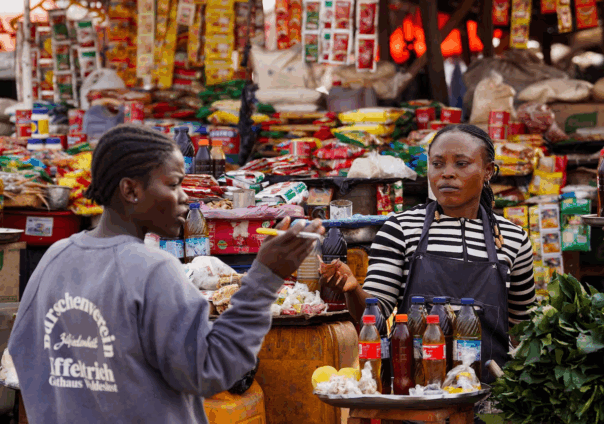
Food inflation continued to ease, dropping to 2.3% in March 2026 from 2.4% in February. On a monthly basis, however, food prices declined by 0.3%, offering some relief to households.
Non-food inflation also saw a slight decline, falling to 3.9% in March from 4.0% in February. In contrast to food, non-food prices increased by 0.3% month-on-month, suggesting upward pressure in other consumer categories.
Goods vs Services Inflation
Inflation for goods slowed significantly to 1.7% in March 2026, down from 3.2% in February. Notably, goods prices fell by 1.0% month-on-month. Given that goods make up nearly three-quarters of the Consumer Price Index (CPI) basket, this slowdown is seen as a major factor driving the overall decline in inflation and providing meaningful relief to consumers.
On the other hand, services inflation rose sharply to 7.2% in March, up from 3.7% in February. Month-on-month, services prices increased by 0.4%, indicating growing cost pressures in the services sector.
Local vs Imported Inflation
Inflation for locally produced goods increased to 4.9% in March, compared to 4.5% in February, reflecting rising domestic cost pressures. In contrast, inflation for imported goods dropped significantly to -0.6%, down from 0.6% in February, suggesting easing external price pressures or favorable exchange rate effects.
Regional Disparities Persist
The report also highlighted significant regional variations in inflation across the country. The North East Region recorded the highest inflation rate, while the Savannah Region posted the lowest rate at -4.6%, indicating price declines in that area. These disparities are attributed to factors such as local supply conditions, transportation costs, and market access.
Outlook
The continued decline in inflation is likely to boost consumer confidence and improve purchasing power. However, rising services inflation and regional disparities suggest that underlying structural challenges remain. Policymakers may need to balance maintaining price stability while addressing sector-specific and regional cost pressures.
The March 2026 CPI release according to the Ghana Statistical Service, reinforces Ghana’s ongoing progress in stabilizing prices, though close monitoring of emerging trend particularly in the services sector will be essential in the months ahead.
Source: