

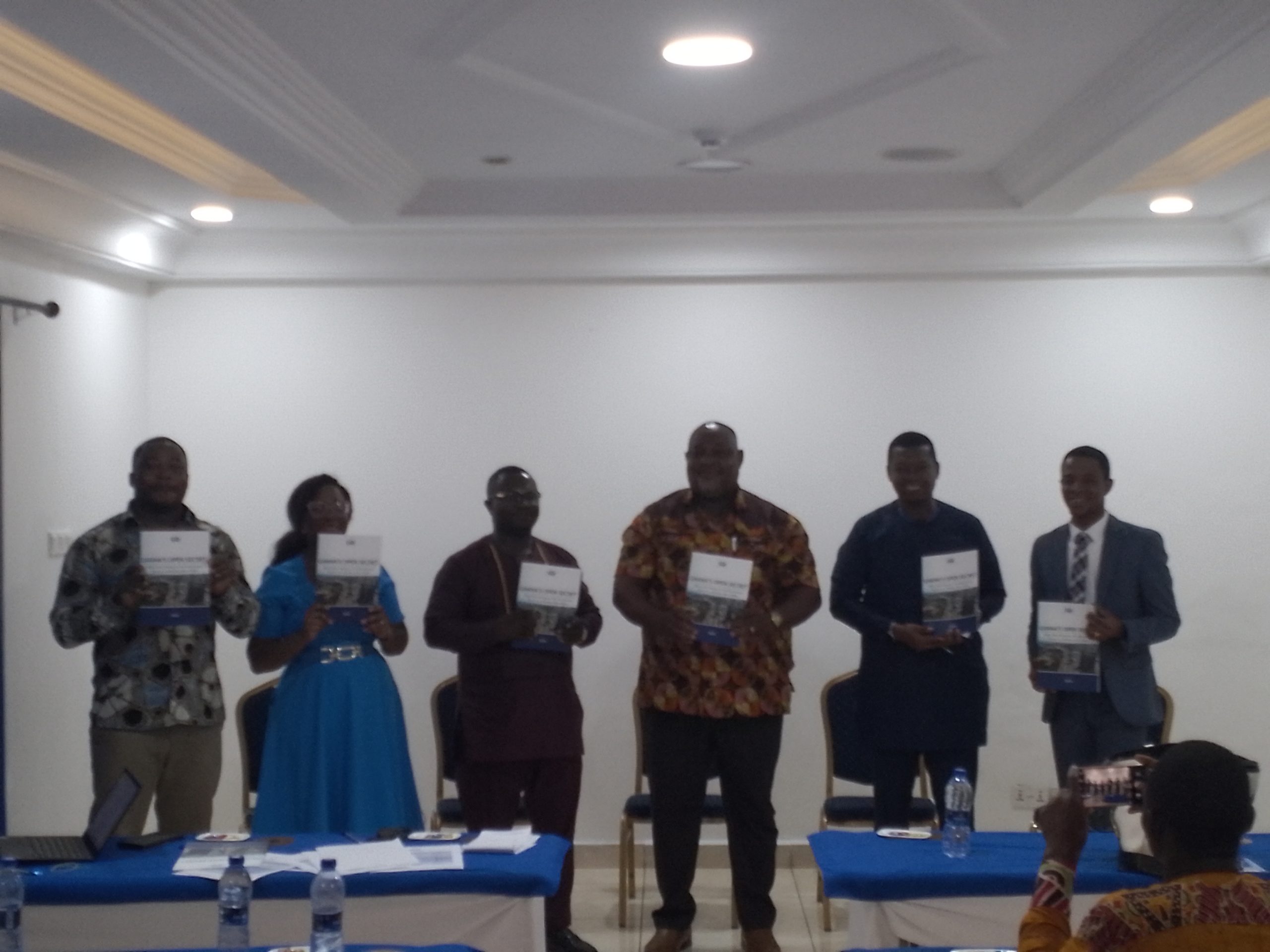
Global Financial Integrity (GFI), a research think tank focused on Illicit Financial Flows and money laundering has launched a report that exposes the prevalence and patterns of money laundering in Ghana’s Real Estate Sector.
Titled, Ghana’s Open Secret: Why Dirty Money in the Real Estate Sector is a Reality, not a Myth, the Report was put together by analyzing curated datasets, which covered 16 cases involving 24 properties and 510 acres of land.
It revealed significant money laundering activity in the real estate sector in Ghana, pointing out that, a minimum of $48,833,127 has been laundered through real estate transactions, highlighting the vulnerability of the Real Estate sector to Illicit Financial Flows.
More Read

According to the study, the primary predicate crimes driving real estate money laundering (REML) in Ghana are fraud, corporate structures abuse, corruption, theft, and drug trafficking. These activities, the study maintains, are often intertwined with real estate providing an avenue for laundering proceeds from illegal activities.
In particular, 87.5% of the analyzed cases involved residential properties located in the Greater Accra Region. This indicates that the capital region is a focal point for money laundering activities tied to real estate transactions in the country.
Presenting the Report to stakeholders in Accra on Tuesday November 26, 2024, Mr Maxwell Kpebesaan Kuu-ire, a Policy Analyst at the Global Financial Integrity stated that despite the efforts to combat real estate money laundering, there has been limited success in curbing these activities through the use of Suspicious Transaction Reports (STRs) filed by Designated Non-Financial Business and Professions (DNFBPs).
Referencing the Financial Intelligence Centre’s (FIC) 2019 Annual Report, Mr Kuu-ire said only two STRs were reported by DNFBPs between 2016 and 2019. This low number of STRs suggests either insufficient reporting mechanisms or challenges in detecting and acting upon suspicious real estate transactions.
He noted that, the above analysis highlights the need for improved regulatory frameworks, enhanced monitoring of real estate transactions, and better collaboration among relevant stakeholders to effectively combat money laundering through real estate in Ghana.
He told participants that the report launch marked an important milestone in GFI’s research and knowledge-sharing initiatives under the Norwegian Development Corporation funded project titled “Reduce Illicit Financial Flows and Increase Domestic Revenue Mobilization” in Ghana.
Mr kuu- ire further explained that GFI curated dataset of publicly reported REML cases included news reports by reputable media outlets and documents published by law enforcement authorities (such as indictments, forfeitures, and press releases).
He said the total value laundered includes the sum of the value of the properties as reported by the public sources used in the case identification. He indicated that the value of a property whose cost was not stated in the report was determined using location and a lower average price.
The study recommended among others that the Office of the Registrar of Companies (ORC) and Financial Intelligence Centre (FIC) should obligate real estate agents and land commission officials to identify the beneficial owners of real estate and land transactions, meaning that there should be Interoperability of the two databases.
The event was attended by representatives from government agencies, Civil Society Organisation, Real Estate Agencies, the media among other interest groups.
In their solidarity messages, representatives of the Financial Intelligence Centre (FIC) and the Ghana Real Estate Developers Association (GREDA) commended the GFI for undertaking the research.
Ms.Martha Owiredu-Baah, Personal Assistant to the Executive Director of ISODEC who also delivered a solidarity message, extolled the GFI for the study
Ms Owiredu- Baah stated that the study was a “significant step in addressing the pervasive issue of illicit financial flows (IFFs) in Ghana’s real estate sector—a challenge that threatens the nation’s economic integrity and development aspirations.”
She said the collaboration between GFI and other stakeholders highlights the transformative power of partnership in tackling systemic challenges such as money laundering and IFFs.
She noted that, “the findings of this real estate sector report are a wake-up call for all stakeholders—government, civil society, and private entities alike. We must collectively work to strengthen regulatory frameworks, enhance transparency, and enforce accountability measures to curb illicit activities and secure Ghana’s future.”
By: Mohammed Suleman/ Publicagenda.news