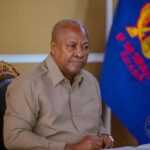


The Municipal Chief Executive (MCE) of the Ga West Municipal Assembly, Hon. John Desmond Sowah Nai has called for sustained advocacy and stronger institutional collaboration to address the persistent challenges faced by persons with disabilities, particularly those living with mental health conditions.
According to the Hon, Sowah Nai, persons with disabilities continue to experience stigma, discrimination, and significant barriers in accessing education, healthcare, employment, and public services.
He noted that these challenges are not caused by disability itself, but by negative societal attitudes, weak systems, and environments that fail to accommodate diversity.
More Read

Speaking in support of an advocacy campaign aimed at improving disability-friendly policies and laws, the MCE described the initiative as timely and necessary.
The event, organized by the Mental Health Society of Ghana (MEHSOG) formed part of activities under a project titled, ‘Strengthening the Capacity of Organizations of Persons with Disabilities for Promoting Inclusion in Ghana.’ The project is being implemented by the Ghana Federation of Disability Organizations (GFD), in partnership MEHSOG and Africa Disability Institute (ADI) with funding support from the European Union (EU).
The MCE acknowledged that Ghana has made commendable progress in promoting disability rights, particularly with the passage of the Persons with Disability Act, 2006 (Act 715) and the Mental Health Act 2012 (Act 846). He observed however that a noticeable gap remains between policy and practice, limiting the impact of existing legal frameworks.
He stressed that nearly two decades after the enactment of Act 715, many persons with disabilities are yet to fully benefit from the protections and opportunities guaranteed under the law, emphasizing that bridging this gap will require sustained advocacy, stronger institutions, and effective collaboration among local authorities, government agencies, civil society organizations, and community stakeholders.
The MCE reaffirmed the Assembly’s commitment to supporting inclusive development initiatives and called on all stakeholders to work together to ensure that disability policies are translated into practical actions that improve the lives of persons with disabilities.
“Ladies and Gentlemen, Disability, including mental health conditions, is not a weakness. It is part of the human experience. At one point in our lives through illness, age, or circumstance—any of us may require support or accommodation. This reality calls for empathy, understanding, and responsive policies that protect the dignity and rights of all citizens.”
He added, “As a Municipal Assembly, we recognize our responsibility to ensure that national policies are effectively implemented at the local level. In Ga West Municipality, we are committed to promoting inclusion by mainstreaming disability issues into our development planning; improving access to public infrastructure, and working closely with Organizations of Persons with Disabilities to ensure their voices are heard.”
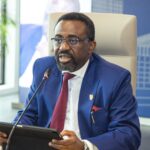
Mr. Humphrey Matey Kofie, Executive Secretary of MEHSOG,emphasized the urgent need for inclusive policies that fully integrate persons with disabilities.
He stressed that such inclusion should not be an afterthought but a fundamental part of policy-making.
“Everyone has a role to play in building an inclusive Ghana. We must ensure that no one is left behind,” Mr. Kofie said.
He called for the promotion of supportive policies that avoid stereotypes and harmful language, while respecting and protecting the rights of persons with disabilities. Mr. Kofie highlighted the importance of using respectful and inclusive terminology in all communications related to disability.
In a solidarity message, Project Officer on the EU project at GFD, Mr Evans Oheneba- Mensah indicated that the meeting was a moment to reaffirm our collective responsibility to ensure that persons with disabilities, particularly those with psychosocial disabilities are fully included in the national development process.
Mr Oheneba- Mensah assure the GFD’s commitment to working closely with all stakeholder, particularly the MMDA’s and traditional authorities to promote disability- responsive and mental health inclusive development.
He noted “As we progress through the Phase two of this project, GFD assures of our partners of our continued leadership, coordination and advocacy efforts to translate policy dialogue into practical outcomes, accessible spaces, inclusive services, responsive institutions and respectful attitudes.”
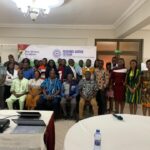
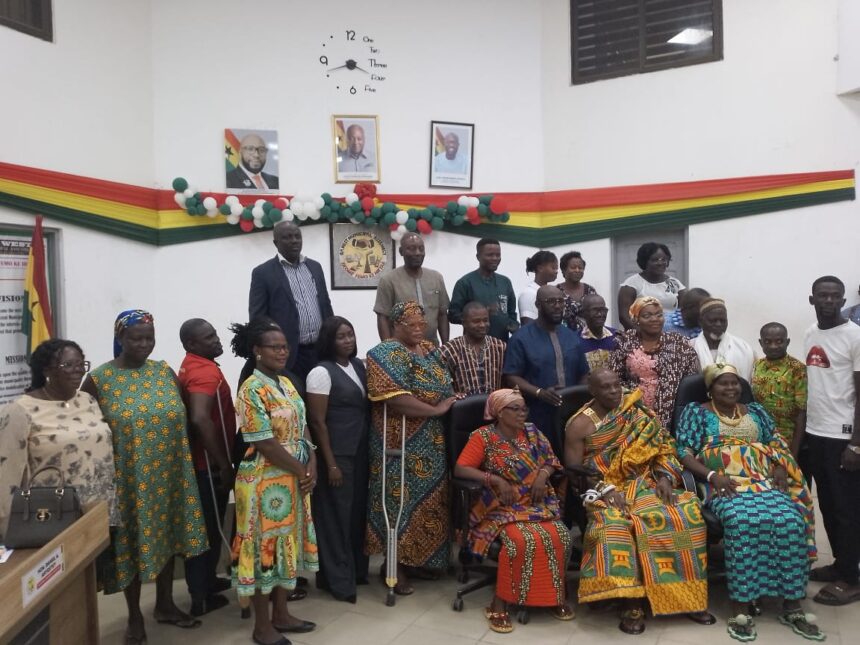
The event brought together Organizations of Persons with Disabilities, Traditional and Religious Leaders, Heads of Departments and Agencies, officials of the Mental Health Society of Ghana,
the Media and other important stakeholders.
By: Mohammed Suleman/Publicagenda.news