

Plastic pollution has become pervasive in agricultural soils, according to a new report released on Tuesday by the UN agriculture agency, posing a threat to food security, people’s health, and the environment.
While plastic refuse littering beaches and oceans draws high-profile attention, the Food and Agriculture Organization’s (FAO) Assessment of agricultural plastics and their sustainability: a call for action suggests that the land we use to grow our food is contaminated with even larger quantities of plastic pollutants.
“Soils are one of the main receptors of agricultural plastics and are known to contain larger quantities of microplastics than oceans”, FAO Deputy Director-General Maria Helena Semedo said in the report’s foreword.
More Read

Startling numbers
According to data collated by FAO experts, agricultural value chains each year use 12.5 million tonnes of plastic products while another 37.3 million are used in food packaging.
Crop production and livestock accounted for 10.2 million tonnes per year collectively, followed by fisheries and aquaculture with 2.1 million, and forestry with 0.2 million tonnes.
Asia was estimated to be the largest user of plastics in agricultural production, accounting for almost half of global usage. Moreover, without viable alternatives, plastic demand in agriculture is only set to increase.
As the demand for agricultural plastic continues surge, Ms. Semedo underscored the need to better monitor the quantities that “leak into the environment from agriculture”.
Weighing the risks
Since their widespread introduction in the 1950s, plastics have become ubiquitous.
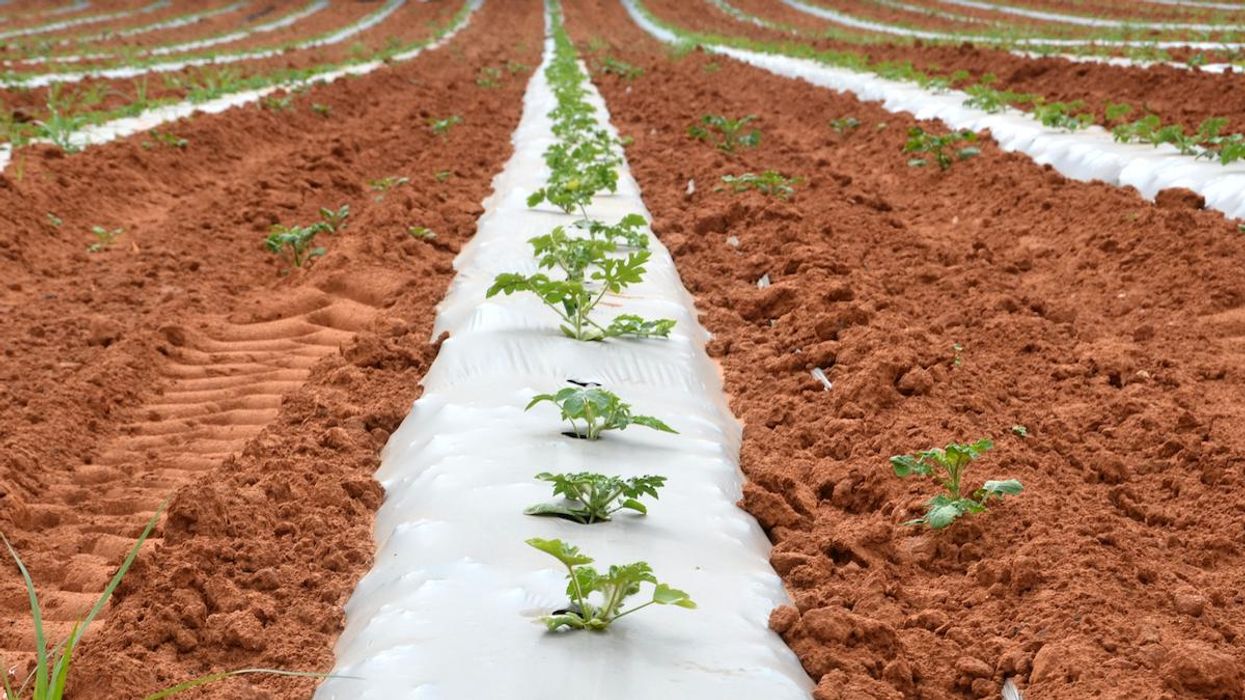
In agriculture, plastic products greatly help productivity, such as in covering soil to reduce weeds; nets to protect and boost plant growth, extend cropping seasons and increase yields; and tree guards, which protect seedlings and saplings from animals and help provide a growth-enhancing microclimate.
However, of the estimated 6.3 billion tonnes of plastics produced before 2015, almost 80 per cent had never been properly disposed of.
While the effects of large plastic items on marine fauna have been well documented, the impacts unleashed during their disintegration, potentially affect entire ecosystems.
Nowhere safe from microplastics
And microplastics – less than 5 mm in size – have been found in human feces and placentas as well as been transmitted to fetuses through their pregnant mothers.
While most scientific research on plastics pollution has been directed at aquatic ecosystems, FAO experts say agricultural soils are thought to receive far greater quantities of microplastics.
Since 93 per cent of global agricultural activities occur on land, further investigation in this area is needed, according to the UN agency.
“This report serves as a loud call to coordinated and decisive action to facilitate good management practices and curb the disastrous use of plastics across the agricultural sectors”, said the FAO deputy chief.
Key recommendations
Lacking viable alternatives, it is impossible for plastics to be banned – and there are no ‘silver bullets’ to eliminate the damages they cause.
The report does, however, identify several solutions based on the “Refuse, Redesign, Reduce, Reuse, Recycle, and Recover” model.
The report also recommends developing a comprehensive voluntary code of conduct for all aspects of plastics throughout agrifood chains and calls for more research, especially on the health impact of micro-and nanoplastics.
“FAO will continue to play an important role in dealing with the issue of agricultural plastics holistically within the context of food security, nutrition, food safety, biodiversity and sustainable agriculture”, Ms. Semedo said.
Source\ : UN News centre