

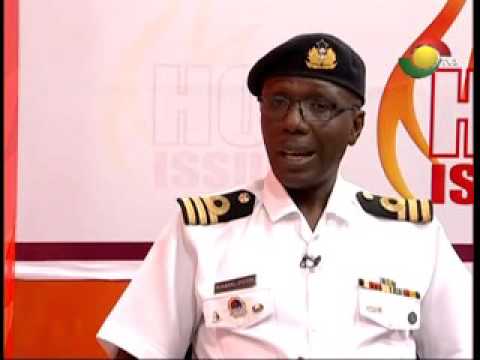
Dr Kamal-Deen Ali, the Executive Director of Centre for Maritime, Law and Security (CEMLAWS) has said maritime is critical to national development and should be considered whenever boundaries were being drawn to measure the landmarks within the country.
“We have not paid enough attention to maritime and some of the few we have paid attention to, are having declining implications including the fishery sector,” he said.
He said the sea was a resource; a medium of transportation, exchange; information; spread of ideas; and dominium, adding that the maritime space in Ghana was 70 per cent bigger than the land in terms of resource availability transport.
More Read
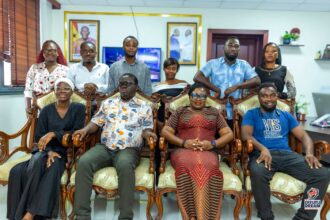
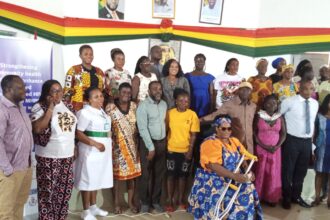
He was addressing participants at a two-day workshop in Accra, on global maritime relations and development in Africa organised by the CEMLAWS in partnership with the Ministry of Foreign Affairs and Regional Integration (MFARI) on Wednesday.
The workshop was for CEMLAWS to train staff of the Sector on how to play a vital role in supporting other technical ministries to harness the enormous potential in the maritime space.
It was also to enhance the stewardship of the Ministry towards devising means to influence policies and operations to foster growth in the maritime space and influence intensification of the use of maritime resources.
Dr Ali, who is also a Retired Captain of the Navy, said it was very important that the navy were engaged and sensitised to take up a responsibility of protecting the maritime space effectively.
He said fisheries were vital to the development of a nation as over 200 million people were supported by the sector in developing countries, including in processing and related industries.
More than 1.5 billion people receive 20 per cent or more of their animal protein from fish, rising to over 90 per cent in some small island developing states.
Total consumption of fish in Ghana is about one million metric tonnes per annum, and Ghana ranks among the top 10 most consumers of fish across the globe.
Statistics have shown that 75 per cent of annual production of fish in Ghana is consumed locally; two million people are directly dependent on the fisheries sector, while four million people are within the fisheries value chain in Ghana.
Dr Ali noted that it was unfortunate that the sea was just a medium of transportation for Ghanaians while it served as a medium of value for some countries.
He said the maritime space is inherently a foreign relations environment and must play a role in foreign relations policy.
Mr Albert Yankey, the Chief Director of the MFARI, said the Gulf of Guinea which had been overtaken by pirates had become one of the highest zones of crime in the world, adding that people steal oil, dump wastes and traffic arms there.
He said: “Many countries are now patrolling, however, we ask ourselves if they are strictly patrolling out of good faith or looking out for their interest.
“It is necessary to make investment in the area of research in the maritime space. If your country’s revenue and oil are being stolen, then what happens to your development?
Mr Yankey noted the state needed to stop over simplifying and politicising challenges within the maritime space and devise means to control the huge sums of revenue loss.
He mentioned infrastructure, research tools, strong and adequate naval force as some of the necessities to control the challenges associated with the maritime space especially the operations of pirates.
Dr Yankey advised that collaboration between Ghanaian Navy and that of other countries including Nigeria and Cote D’Ivoire be made to work together to control the maritime challenges.
He said: “For strange reasons, we haven’t paid attention to maritime especially the fundamental causes of our setbacks. Smuggling of oil costs the country GH¢100 billion and recently the country had a crisis of tilapia death, an occurrence which was partly because our oceans are polluted and the fishes are consuming rubbers”.
He said it was therefore necessary for actors and stakeholders within the maritime space to be extremely careful and sensitised to put forward forceful interventions based on convention of facts to curb the challenges.
CEMLAWS Africa is a nongovernmental organisation that specialises in ocean governance maritime security in Africa. The Centre conducts research, training and policy analysis on crucial maritime issues.
Source: GNA