

Following Ghana’s exit from the 2017 U-17 World Cup in India, Citi Sports‘Daniel Koranteng assesses what could have gone wrong and urges the nation to plan for the future with the players at the heart of a transition.
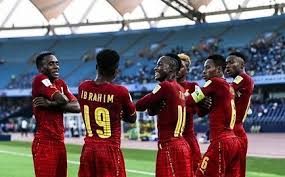
Ghana’s Black Starlets have arrived home after their FIFA U-17 World Cup outing which saw them fall out at the quarterfinals to familiar rivals and African champions Mali.
Contrary to popular opinion, I feel there are a lot of positives to take away from this tournament.
More Read

It is usually difficult to demand the ultimate prize at this stage of football because it is mostly about development and experience gained rather than ultimate success.
I am not saying the spirit of winning should not be instilled in our players but I believe it’s too early to set such high targets for the team.
I saw the Starlets at the U-17 Africa Cup of Nations earlier this year and I must say I saw a vast improvement not only in their game-play but also in the body language and general approach.
The team began the African Championships in blistering fashion scoring 9 goals and conceding none in their opening two games and then went on a scoreless run until the end of the tournament where they were beaten 1-0 by Mali in the final.
On the contrary, in terms of performance, the team recovered from a rusty but fairly comfortable start against Colombia and looked more comfortable against USA; a game Ghana should have won but for wasteful finishing, and then to two very comfortable wins against India and Niger.
My only disappointment in the team is in the manner in which we were beaten against Mali. The defeat was the team’s third straight loss against their West African rivals in 2017 and one would think the familiarity with the opponents would have inspired a better performance but it was not to be.
The Starlets looked defeated from the blast of the whistle and the Malians looked clearly fitter and mentally more prepared and psyched for the occasion.
Frankly speaking, it was clear the horrible conditions on the day affected the Starlets, but that’s no excuse for their abysmal performance as the Malians also had to endure the same conditions.
The entire team (maybe except Sulley Ibrahim) looked afraid of their opponents who took advantage and bossed proceedings. There is absolutely no doubt that this team possesses some extremely gifted individuals, but the reality is that, strong mental attributes are what differentiates top players from the rest.
The team needs to believe in their abilities and trust that they can overcome any opposition. That’s the kind of mindset Ghanaians want and such a mindset will always translate to the performances on the pitch.
Over the years, it has been evident that youth football is a major contributor to senior level football. A quality youth system will almost certainly have a strong impact on the senior team.
The resurgence of Barcelona under Pep Guardiola was built on a core group of players who were brought through the club’s youth system, La Masia.
Players like Lionel Messi, Andres Iniesta, Xavi and Gerard Pique are all products of La Masia and had the club’s philosophy and identity drilled in them throughout their formative years as footballers.
On the international side, Germany’s 2014 World Cup winning side was a result of the country’s reformed youth policy after their unsuccessful Euro 2004 campaign where they fell out in the group stages.
We need to fix our football systems in our country if we want to succeed. The leaders must have a clear plan on the way forward while having the Black Stars in mind and the first thing is to fix the league.
The visionless, unattractive Ghana Premier League only causes a host of the country’s top talents to seek greener pastures abroad. Many may not see how this affects the national team but all the footballing giants of the world have the core of their team playing in their home leagues.
When you play week in and week out with and against the same group of individuals, it only improves familiarity and cohesion between the group. That way when they are sent to play in the national team, it shows in their output.
If we can get our league functioning at the highest level, it will help in persuading our young players to stay home and fully develop before they are fed into the senior team.
Secondly, we need to have a clear and well-structured system of transition. I must commend Paa Kwesi Fabin for his amazing work with this team.
His thorough scouting and grooming has resulted in the unearthing of these fine talents we saw at the tournament. It’s very difficult to find talent in a country where the youth systems are almost dead.
Take England for example. The Head Coach of their U-17 team Steve Cooper had the luxury of falling on the likes of Manchester United, Manchester City, Chelsea and Liverpool for personnel for his team at the same tournament that Ghana was participating in.
So credit must go to Fabin for his exceptional work as Starlets boss. I think he should be given the job on a long term basis and the responsibility of finding talents must be placed in his hands.
Not just him but the various youth teams should be assigned to a specific coach and they should be tasked with grooming these players for future use.
The same players who pass through the U-17 should be taken through the U-20 and finally the Black Stars. This will save the Black Stars head coach a lot of work because he would have seen these players develop over the years through the youth systems and would know them through and through.
Let me end with a perfect example currently biting us in the back. The current core of the Egyptian national team that beat the Black Stars to qualify for their first World Cup in 27 years is a product of their 2011 U-17 World Cup squad. This is a testimony of a working structure and a proper system of transition.
I, for one, am hoping and praying that a majority of these players feature for the Black Satellites and the Black Stars in the coming years.
By Daniel Koranteng