

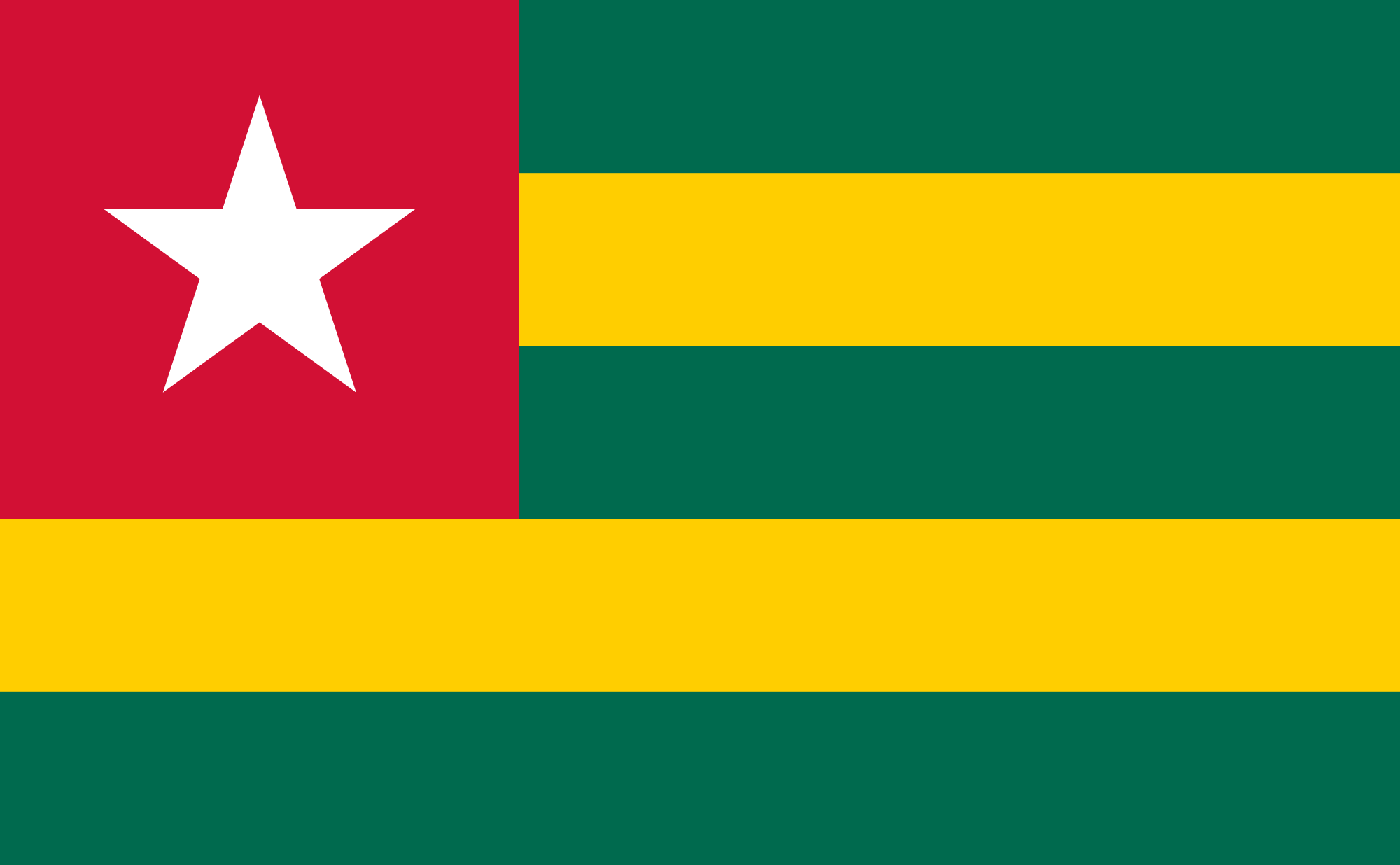
After years of government stalling, demonstrators are demanding electoral reforms, including the reinstatement of term limits.
Thousands take to the streets in Togo to demand the reinstatement of the 1992 constitution.
On Saturday 19 August, shocking images of the bodies of protesters being carried on stretchers started flooding social media in Togo.

That day, thousands of citizens had taken to the streets to demand democratic reforms and the restoration of the country’s 1992 constitution. Calling for change after half a century of rule by the Gnassingbe family, demonstrators marched to chants of “50 years is too long”.
The protests were largely peaceful, but in the town of Sokode, security forces opened fire to disperse demonstrations. Officials say two protesters were killed, but some claim the real number is higher.
As photos of this violence spread, it brought back some familiar memories. It reminded some of the early-1990s, when a similar democracy movement gained momentum in Togo before it was brutally cut short by the regime of General Gnassingbe Eyadema.
That repressive strong-man died in 2005, but his son, Faure Gnassingbe, took over and has continued his father’s style of leadership. Over the years, this has led a new generation of Togolese to grow increasingly impatient, culminating in this weekend’s mobilisation to demand reforms once more.
Seeds of unrest
When Togo gained independence in 1960, there was as brief period of excitement and hope under the leadership of founding father Sylvanus Olympio. But this proved to be short-lived. In 1963, a group of former soldiers, in part led by Eyadema, orchestrated a coup and assassinated Olympio.
Amidst ensuing instability and conflict, Eyadema launched a second military coup in 1967, this time installing himself as president. He quickly moved to ban political parties, jailing most youth leaders, sending hundreds into exile, and killing dozens of others.
In the following years, the military leader wove a repressive regime designed mainly to benefit the army, his tribesmen and the few elites that were aligned with his policies. He lacked a clear ideology beyond consolidating his rule and looting the country’s resources. In the context of the Cold War, when most Western powers tolerated strongmen in Africa so long as they were not openly communist, Eyadema’s government grew in strength.
By the late-1980s, however, murmurs of popular dissent were getting louder. In October 1990, inspired by the fall of Communist regimes in Europe, Togolese students took the streets in large numbers to call for greater democracy.
Demonstrations, strikes and opposition actions grew in size and scope until Eyadema eventually agreed to hold a national conference to decide of the future of the country.
The event opened in July 1991. On the second day, the government walked out and tried to suspend the talks. However, the remaining participants were not to be deterred. They agreed on a transition to multi-party democracy, the nomination of an interim Prime Minister, the establishment of a constitution-drafting committee, and decided that a high council would serve as the country’s legislative body.
The president and army attempted to halt the conference by sending troops to surround it, but Eyadema eventually accepted its outcomes. The conference moved forwards in organising a referendum over a proposed new constitution in 1992. With over 74% turnout, the text was approved overwhelmingly with 99% of the vote.
Roll back
In the following years, however, Eyadema and his party worked diligently to undo any democratic progress. He seized back powers during a period of terror marked by hundreds of political assassinations and the displacement of tens of thousands into exile.
In 2002, his party, Rally of the Tologese People (RPT), unilaterally modified the constitution to remove term limits, reduce the presidential election to one round, and decrease the minimum age for presidents from 45 to 35.
This last amendment was a clear attempt to pave the way for his son Faure Gnassingbe, who was in his late-30s at the time, to take over power if needed. In 2005, this is precisely what happened. 38 years after taking power, Eyadema died of heart attack. Just hours later, the army announced his that son was the new president.
Amidst regional and international criticism that the move was unconstitutional, Gnassingbe tempo-rarily stepped down. But he soon returned to office following elections, which he officially won with over 60% of the vote. The polls, however, were widely condemned as fraudulent. Protests that followed were violently repressed leading to 500-800 deaths, while tens of thousands fled.
The final assault?
In the aftermath of these events, Gnassingbe signed a comprehensive political agreement and vowed to enact reforms to allow free and fair elections. Yet 12 years later, and with the president well into his third term having won elections again in 2010 and 2015, the Togolese people are still waiting for this change.
There have been plenty of opportunities to address political reform. Past talks have led to a rapprochement between the president and his historical rival Gilchrist Olympio. Gnassingbe has even created a national commission to survey the county and make recommendations. Intellectuals, clergymen, students and ordinary citizens have gathered in public spaces to voice their support for reforms. But the president has always stalled taking action by creating newer institutions for further discussions, while the National Assembly has consistently refused to bring up the issue for debate.
It is the ongoing impasse that has led to growing resentment towards a family dynasty that has now ruled Togo for half a century. This rising frustration has prompted protests in recent years calling for electoral reform and the reinstatement of term limits in accordance with the 1992 constitution.
Last weekend, it was the recently-created Parti National Panafricain that called on citizens to take to the streets once again. Defiant demonstrators heeded the call. In many places, they were met with tear gas or bullets, while protests also spread to the Togolese diaspora with crowds observed in Ger-many and Ghana.
With disillusionment at the status quo growing, Togo’s usually fragmented opposition is coming together in a long overdue show of unity. Emboldened and invigorated, Togolese citizens are gearing up for what some are calling a final assault to break the wall of oppression. The response of the military, however, suggests that Gnassingbe thinks otherwise. For his regime, attacking peaceful demonstrators when the president’s back is against the wall is a strategy direct from the playbook of the late Eyadema.
Togo today faces a fork in the road between hollow stability and enduring democratic values. The wider world also has a decision to make: bet on an autocrat or uphold freedom and democracy. The people of Togo have already made up their minds to prevail or die with dignity. This weekend, they will try again, and have vowed to keep pushing until they overcome.
Source: Royal Africa Society