

The peasant Association of Ghana is calling on government and other to put in place concrete measures to address post harvest losses.
Specifically, “we call on government to take deliberate steps to ensure that post-harvest management is effectively integrated into all its agricultural programmes; the Planting for food and jobs programme.
“There is the urgent need for an increase in budgetary allocation on post-harvest management both in national and local level with high commitment red, transparency and accountability from implementing agencies to ensure reduction in post harvest losses.”
More Read

The call comes after it emerged that Ghana loses over GHc 700,000 annually on post –harvest losses, while more than half of the food crops do not get to the final consumer.
This situation means that, significant volumes of food especially grains are lost after harvest thereby aggravating hunger and resulting in expensive inputs being wasted.
Such loses, according to the Association leads to loss in market opportunities and nutritional values while posing serious health hazards especially if linked to consumption of aflatoxin-contaminated grains.
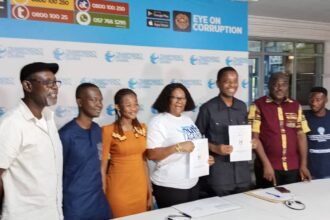
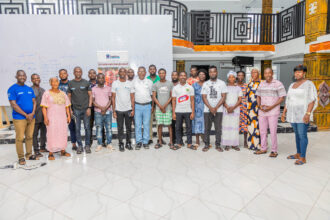
Speaking at a National Policy Dialogue on Post -Harvest Loss and Food and Nutrition Security in Accra on Wednesday, Programme Coordinator of the Association, Victoria Adongo, observed that food losses contribute to high food prices and have an impact on the environment and climate change as land water and non renewable resources such as fertilizer and energy used to produce and process as well as transport the food that no one consumes.
Madam Adongo lamented that these losses mostly affect smallholder farmers, maintaining that that though options abound to reduce post harvest losses, the adoption rate in Africa and Ghana remains miserably low.
She explained that from training in improved handling to better storage facilities interventions exist that enables smallholder farmers to improve quality and quantity of grains during harvesting and storage.”Unfortunately success has been rare as commitment from the national and local government has been particularly low in terms of budgetary allocations for such infrastructure.
She continued, “it is on this note that the PFAG and other CSOs are calling for improved implementation of available post-harvest technologies, budgetary allocation.
Commenting on National Nutrition Policy, Madam Adongo recommended that more support be given to grow foods that are known to have high nutritional values like Sorghum, Millet Cowpea Bambara beans and many other indigenous foods and vegetables.
The Dialogue was organized by the PFAG with support from the Netherlands Development Organization’s (SNV) Voices for Change Programme (V4C).
On his part, Mr Eric Banye, Country Programme Coordinator the V4C programme seeks to empower Civil Society Organisations to have a greater voices as advocates and effectively serve the interest of the people they represent.
The programme, he said, is also to influence Agenda- setting and policy creation by stimulating collaboration among civil society, government the private sector and other relevant players.
He said the programme focuses on four thematic areas, these include Food and Nutrition Security, Resilience, Renewable Energy and Water, Sanitation and Hygiene.