

Environmental and natural resources remain the backbone of development for many communities across Africa. Yet, these critical resources are diminishing at an alarming rate, disproportionately affecting women and the poor who rely on them the most.
This growing concern formed the foundation of the Global Alliance for Green and Gender Action (GAGGA) programme, which has been working across West Africa to empower rural women and grassroots communities in managing their local resources and advocating for their rights.
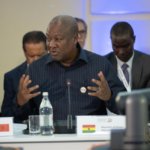
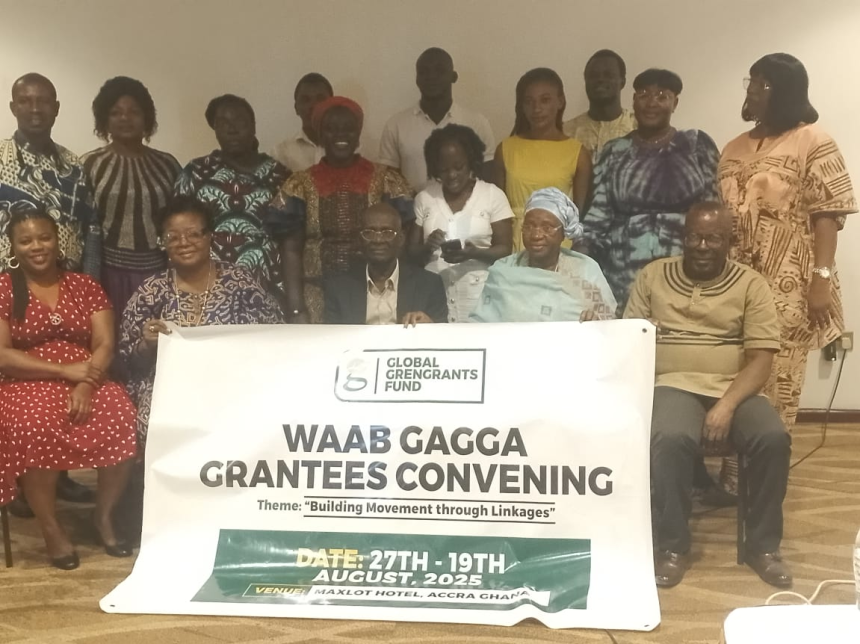
Speaking to journalists at a grantee convening held in Accra on recently, Dr Abdulai Darimani, Coordinator of the West Africa Advisory Board (WAAB) for the Global Green Grant Fund (GGGF), explained that the GAGGA programme, after years of implementation, has reached its conclusion this year. As part of the programme’s wrap-up, an independent evaluation was conducted by a consultant to assess its impact and gather insights from participants.
More Read
“Those who volunteered information during the evaluation process deserve to hear the findings,” Dr Darimani noted, adding that is why this meeting was convened to share the results with them and to get their feedback.”
The convening brought together participants from Ghana, Nigeria, Sierra Leone, Mali, and Burkina Faso, with discussions centering on the programmer’s successes, lessons learned, and regional similarities in challenges faced by women regarding environmental access and justice.
Dr. Darimani noted that, while more countries could have participated in the Accra convening, limited resources dictated the size of the gathering.
According to Dr Darimani, the evaluation revealed striking commonalities across the continent, particularly around the systemic exclusion of women from decision-making and access to resources.
He noted that notwithstanding geographic and cultural differences, women in all the countries involved face similar obstacles.
“We observed that women are often more closely connected to nature than men. Through this closeness, they develop valuable local skills for managing environmental resources. However, their contributions are frequently overlooked due to a development model that prioritizes white-collar approaches over community-based knowledge.”
He told the press that access to land remains a significant barrier. Even in countries where land is vested in the state, women’s access continues to be constrained due to entrenched male dominance, particularly at the local level. That, according to him, was echoed as a common issue across all participating nations.
He indicated that another key observation was the potential for grassroots transformation. With modest financial support, ranging from as little as $1,000 to $5,000 and in some cases $10, 000, community-based organizations, especially those led by women, have been able to implement meaningful and sustainable changes in their environments.
Dr. Darimani noted that the feedback from the participating organizations was crucial, as it would help ensure that future initiatives are grounded in the real needs and voices of those most affected by environmental degradation.
He added, “we expect that the participants will maintain contact so they can continue to share their experiences, because together is power. On our part, we look forward to incorporating their comments, their feedback into the report. Not to revise the report, but as an addendum that will inform our future grant making. When we have to make grants in West Africa here, we will want to reference the concerns and proposals that they have made going forward.”
Participants at the convening expressed a strong desire to maintain cross-country collaboration and continue sharing experiences.
By: Mohammed Suleman