

A call has been made for Ghanaian electorate to vote massively for women Presidential and Parliamentary candidates contesting the upcoming 2024 general election.
The advocates believe that voting women into higher decision-making positions would ensure the achievement of gender equality more gender- responsive policies and laws that better serve the need of Ghanaians as a whole.
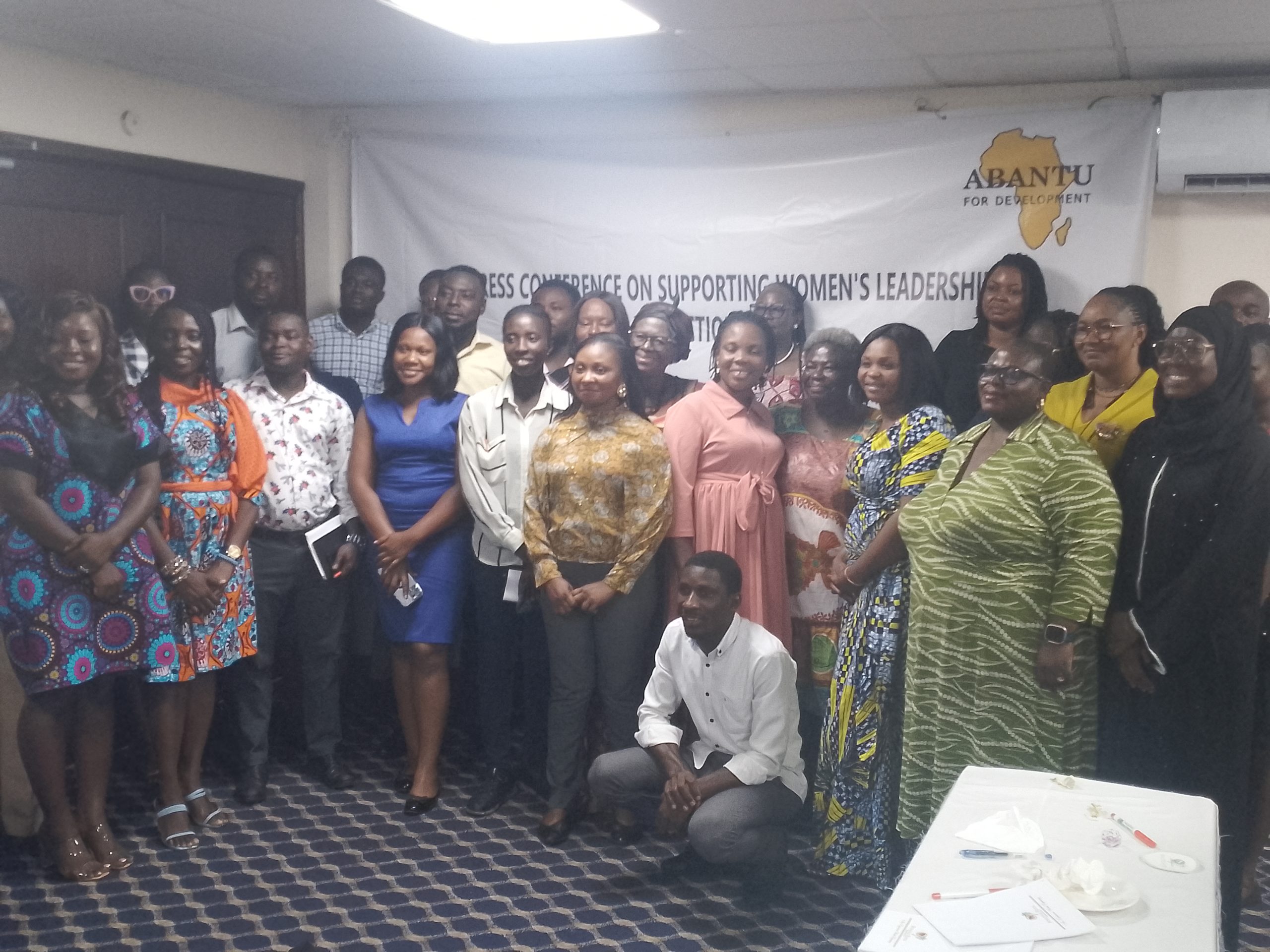
The call was made at a press conference in Accra organised by ABANTU for Development under its project titled, “Strengthening Advocacy for a Gender – Responsive and Inclusive Governance in Elections 2024 and Beyond”.
More Read
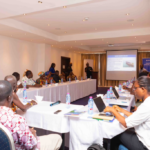
Sponsored by STAR-Ghana Foundation with funding from the UK’s Foreign, Commonwealth and Development Office, the project seeks to among other things increase the participation and representation of women,young women and women with disabilities,within all decision-making spaces of Ghana’s governance system.
Ghana has made great strides in terms of political stability, since the country’s return to multi-party democracy in 1992. However, the participation of vulnerable groups, especially, women, young women and persons with disabilities (PWDs) has remained extremely low. The low representation, according to the speakers, is evidenced in the fact that women constitute only 14.5% out of the two hundred and seventy-five (275) Members of Parliament.
Speaking at the Press Conference in Accra on Tuesday, November 19, 2024, the Coordinator of the Affirmative Action Law (AAL) Coalition, Ms Becky Enyonam Ahadzi, called for greater support for women candidates in the upcoming general elections.
Ms Ahadzi emphasized, “Let us resolve to vote for women in the upcoming December 2024 elections. When women have a seat at the table, we can create more gender-responsive policies and laws that better serve the needs of the entire population.”
She said the passage of Affirmative Action and Gender Equity Law is a major step towards gender equality in Ghana’s political landscape, However Ms Ahadzi expressed reservation that the law was passed after the primaries of major political parties, limiting the number of women candidates in the 2024 elections,
She noted that achieving gender equality in governance is essential for Ghana’s sustainable development.
She stated that the absence of women in key decision-making roles has led to laws and policies that are not gender-responsive, which negatively impacts the population as a whole.
Ms Ahadzi told the meeting that, “Unless women have a voice at the table, issues concerning a significant portion of our population will continue to be overlooked. Sustainable development is only possible when there is inclusivity in decision-making spaces.”
In a presentation on supporting Women’ Leadership in Election 2024, Madam Susan Aryeetey, Executive Director of FIDA Ghana also stressed the need to vote for women in the upcoming December 7 election
Madam Aryeetey took Journalists and participants through gender representation in political parties over time, specifically focusing on the gender commitments and women’s representation in Ghana’s political landscape.
Madam Aryeeey said there continue to be little to no significant change in gender representation in political parties between 2004 and 2012.
She noted that women’s representation within party leadership and public office appointments remained minimal, adding that, there are only 40 women out of 275 seats in Parliament , representing a paltry 14.5%.
The low representation , i.e 4.1 percent female candidates in recent district elections highlights the persistent challenges facing women in Ghanaian politics.
The above assessment, according to her, reflected a lack of substantial progress in gender inclusivity.
She said countries like Rwanda, Uganda, and Senegal are much ahead of Ghana in terms of female political representation.
She pointed to out that there is serious underrepresentation of women in politics and the need for reform, adding that Ghana lags behind other African nations in achieving gender parity in politics, despite some rhetoric about progress.
On her part, Mary Akromah, Senior Programmes Officer at ABANTU for Development emphasized the critical need to address the gender gap in Ghana’s political landscape.
She said, “Women make up more than half of Ghana’s population, yet their voices are rarely heard in decision-making spaces, from district assemblies to the Parliamentary level ,”
“This project is not just about numbers; it’s about fostering leadership that truly reflects our society. The underrepresentation of women in public life is a major gap that must be addressed as we approach the 2024 elections,” she added.
She said the meeting was a step toward building the collective momentum needed to support women candidates in the upcoming elections.
She maintained that by empowering women,“we are harnessing the full potential of our society, which will lead to more inclusive and equitable outcomes for all.”
By:Mohammed Suleman/Publicagenda.news