The International Curriculum Association (ICA) has analysed research from leading neuroscientists and sleep experts and has redesigned its International Middle Years Curriculum (IMYC) framework to recognise the critical importance of increased sleep for adolescent learners.
Adolescence is a period of significant brain growth and research by Telzer et al highlights that during this period, the brain undergoes significant development, particularly in white matter growth which is crucial for efficient information processing. This development necessitates more sleep than in earlier childhood. Inconsistent or insufficient sleep patterns can disrupt this critical growth, impacting the teenage learner’s ability to retain information and engage in effective learning.
The adolescent requirement for more sleep than a younger child is further compounded by biological sleep patterns shifting towards later bedtimes and consequently later wake times. A study by Baum et al. reveals that when teenagers experience several nights of sleep restriction – often due to early school start time conflicting with their natural rhythms – it leads to significant mood deterioration. This can result in decreased energy, increased fatigue, confusion and heightened feelings of tension, anger and anxiety. Teenagers who don’t get enough sleep also feel less alert, further impacting classroom learning.
More Read

Lee Hendricks, Head of the International Middle Years Curriculum, said: “Recent research from leading sleep experts has revealed just how crucial increased sleep is for adolescent learners. The teenage brain is undergoing rapid changes and requires more sleep to support this development. While modern distractions can exacerbate sleep issues, it’s important to recognize that even without these factors, teenagers naturally need more sleep than they did as children.”
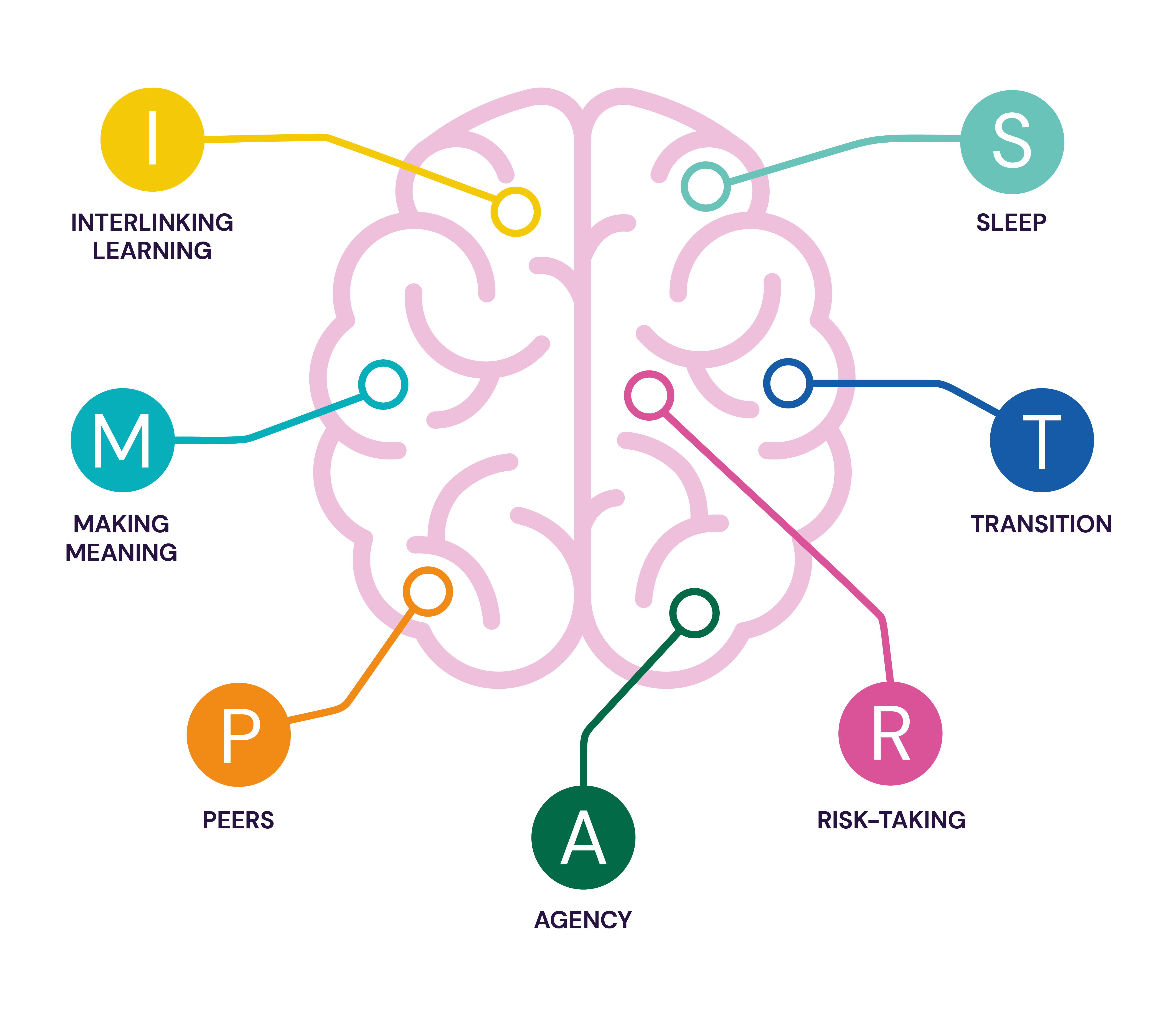
Sleep is one of the Seven Needs of the Teenage Brain that the ICA has identified to unlock optimal Middle Years learning. Collectively, the Seven Needs are Interlinking learning, Making meaning, Peers, Agency, Risk-taking, Transition, and Sleep, otherwise known as the acronym, IMPARTS. This framework developed by leading Middle Years education experts is implemented through the International Middle Years Curriculum (IMYC).
Hendricks continued: “By recognising sleep as a key Need of the Teenage Brain, we’re enhancing our IMYC to better support the biological realities of adolescent development. Our framework helps educators meet the crucial needs of teenage learners, including their increased need for sleep, to truly Improve Learning.”
Emphasising the importance of sleep in the Middle Years, psychotherapist, sleep expert and co-author of ‘Generation Sleepless’, Heather Turgeon, said: “About 70 per cent of children in Primary education get healthy levels of sleep, but by the end of their Secondary education, only around 5 per cent of students get optimal levels of sleep. This is a steady and steep decline that starts in the middle years.”
It is at this point when teenage brains need more sleep due to the immense changes they’re undergoing. Teenagers are not just staying up late due to distractions – their biological sleep patterns are shifting, making it harder to fall asleep early and to wake up early.
Turgeon added: “As a direct consequence of sleep deprivation, the brain’s hippocampus is unable to function as well and its ability to convert short-term memory into long-term memory is diminished, meaning students are unable to retain information properly. Sleep can have as big of an impact on health and learning as nutrition can, and I am delighted to see the ICA taking steps to ensure its learners are given the best possible opportunities to succeed.”
Those interested in learning more about the needs of the teenage brain are invited to attend the ICA’s virtual Middle Years Conference, taking place on 5 – 6 December. Find out more: https://pd.internationalcurriculum.com/course/my24