

Residents of the Oyibi community the Greater Accra Region are calling for urgent government and NGO intervention as recurring floods continue to destroy homes, displace families, and threaten livelihoods during the rainy season.
A recent flood impact survey conducted by Concern Students and revealed that flooding has become a major environmental and humanitarian challenge in the area. The assessment involved interviews with residents, municipal officials, the National Disaster Management Organisation (NADMO), and traditional leaders.
The survey was supported by the Global Greengrants Fund (GGF) and implemented by Concern Students, led by Mr Bright Amosah.
More Read

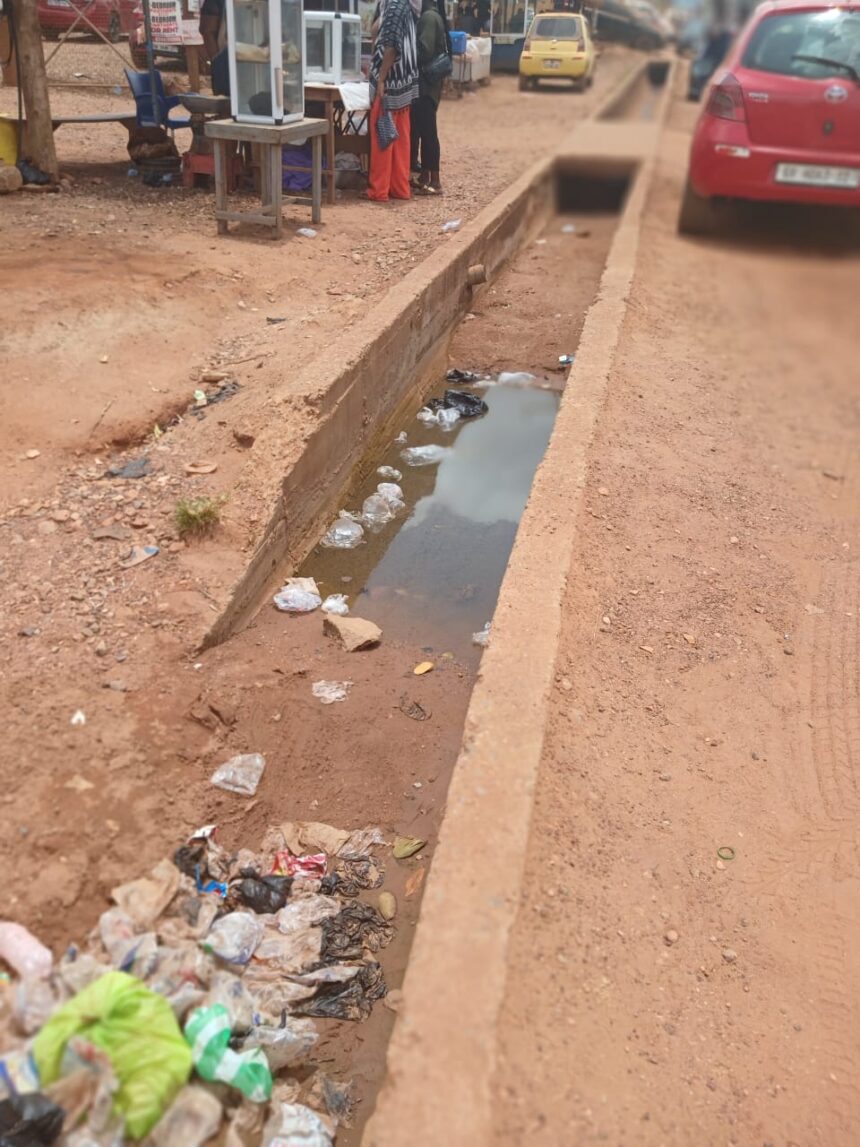
According to the report, the major causes of flooding include poor drainage systems, blocked waterways, unregulated construction on water channels, and the sloping nature of the community, which causes rainwater to flow rapidly into low-lying areas.
Residents identified locations around the Fleeton Pharmacy stretch, the Aluminium Factory vicinity, and the Okofuo area as some of the most flood-prone zones in Oyibi.
Many community members expressed frustration over the persistent flooding, saying water frequently enters homes and destroys household property whenever heavy rains occur. Some residents also blamed the area’s untarred roads and ongoing construction activities for worsening erosion and water accumulation.
Officials from the Municipal Assembly and NADMO confirmed the seriousness of the situation. NADMO Director Mr. Vincent stated that floods occur almost every year, especially during the peak rainy months of May, June, and July. He attributed the situation to inadequate drainage infrastructure, improper waste disposal, and heavy rainfall.
Although NADMO has provided relief items such as mattresses and roofing sheets to some affected residents in the past, community leaders say long-term interventions remain insufficient.
The Oyibi Chief, Nana Nii Boye Okashong, emphasized the need for sustainable solutions, including the construction of modern drainage systems and stronger enforcement of building regulations. He also urged residents to maintain proper sanitation practices and avoid dumping waste into gutters.
Stakeholders involved in the survey recommended the construction of large storm drains, improved drainage maintenance, proper spatial planning, and stronger collaboration between government agencies, NGOs, and local leaders.
The report concluded that without immediate and coordinated action, flooding will continue to pose serious risks to lives, property, and development within the Oyibi community.
Source: Publicagenda.news