


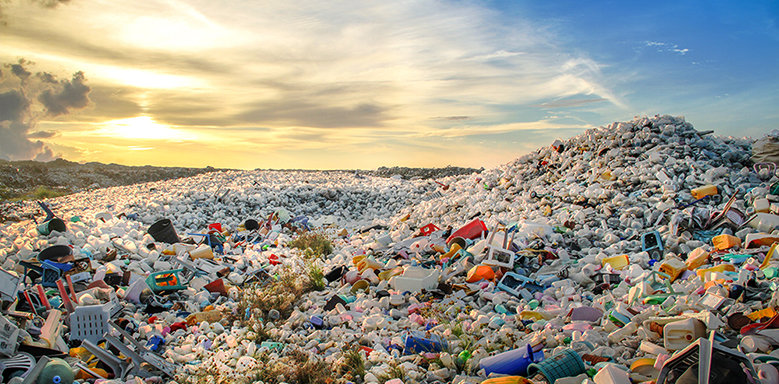
The exponential growth rate of plastics use and its alarming mismanagement, include wide spread littering and its associated environmental and health risk in Ghana has prompted the Ministry of Environment, science and technology and Innovation (MESTI) to find a sustainable way to curb this menace and turn plastics into a resource for creating employment and improving the living standards of Ghanaians.
According to George Prah, a board member of the Ghana Plastic Manufacturers Association, the main challenges facing local manufacturers and recyclers of plastic materials are the “disparity of tariffs between locally manufactured products and the imported finished goods. He stated that, importer of raw materials pay 10% environmental tax in addition to other import duty, whiles the importers of finished goods are exempted from environmental taxations.
More Read
In addition locally manufactured plastic films are required to biodegradable, which add about 5% to the cost of production, these he lamented, is making the manufacturing of plastic locally more expensive and uncompetitive. This unfair situation he noted has made many locally manufacturers have resorted to importing finished goods. This situation he admonished if not addressed will lead to loss of jobs; add to the growing unemployment situation in the country.
He also urged the government to reduce the energy tariffs for recycling companies as incentives to make the recycling attractive, cheaper and as a means of job creation for both the formal and informal sector.
In a welcome address read by Mr. Oliver Boakye on behalf of, Mrs. Levina Owusu, the acting Chief Director of MESTI, stated that, Ghana has long been challenged with exponential growth rates of plastics use and its alarming mismanagement, including wide-spread littering and indiscriminate dumping , causing serious risk to the environment and public health.
She stated that zero draft policy commissioned by the minster for MESTI, Prof. Kwabena Frimpong has demonstrated government’s commitment to find and deploy sustainable strategies for the effective management of plastics. The policy which builds on broader development aims to grow the economy , create jobs, protect the environment , including mitigation of climate change and help achieve the SDGs.
Mr. Boakye stated that, the policy will be achieved by creating an enabling natural development of a vibrant and market driven domestic recycling industry. This he hopes will result in a clean environment and public health, reduce pressure on Ghana’s natural resources and dependency on imported goods, job creation and social economic development especially among the vulnerable in society
Mr. Peter Dery, deputy director and head of sustainable development at MESTI stated that, the technical workshop to review the zero draft PMP was organized to comply with making public policy formulation which demands policies to be made in a transparent, participatory and inclusive manner. The workshop brought together multi stakeholders interest groups, both state and non-state actors to solicit inputs, capture concerns and challenges of all stakeholders in the sector.
He stated that, the next action steps would be to organize a larger group of stakeholders to validate the draft policy before submission to cabinet for adaptation and implementation.
He urged all Ghanaians not to see plastic as a waste but a valuable resource and to come up with innovative ways to make impact society positively.
By Evelyn Addor