Human Rights Watch (HRW), an international non-governmental organisation has urged Ghana to establish a Mental Health Review Tribunal, a specialised quasi-judicial body to be constituted under the Mental Health Act.
Such a tribunal will have a wide range of powers that would enable it to conduct mental health inquiries, make and review orders, and hear some appeals, about the treatment and care of people with a mental illness.
Madam Shantha Rau Barriga, Director for Disability Rights, HRW, in an interview with the Ghana News Agency in Accra, appealed to government to enforce the ban on chaining or shackling and other forms of inhumane and degrading treatment through effective monitoring of psychiatric facilities and prayer camps.
More Read

She said putting in place a Mental Health Review Tribunal and visiting committees would go a long way to promote effective monitoring of psychiatric health facilities and prayer camps in the country.
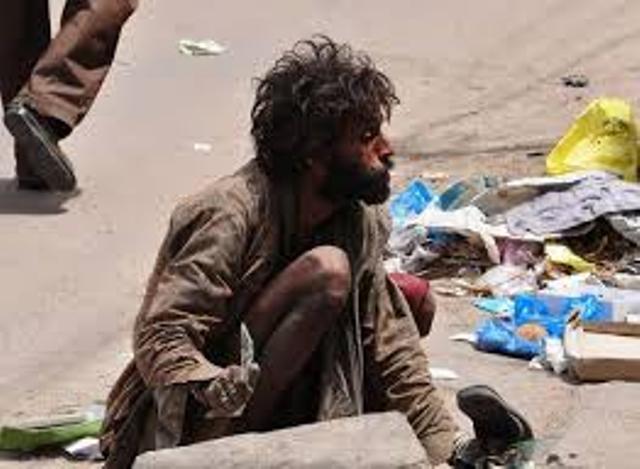
She said HRW’s visits to some psychiatric health facilities and prayer camps in the country revealed that people with mental health conditions were still being abused in so many ways.
She said that visits by HRW to six prayer camps in Ghana within this week revealed that chaining of the mental patients was still going on in two of the facilities.
The regional distribution of the six prayer camps visited by HRW within the week included four in Central and one each in Greater Accra and Eastern Regions.
Madam Barriga noted that at one of the prayer camps she saw more than 16 people with psycho-social disability in shackles.
She said some prayer camps were abiding by the law banning chaining while others were clearly violating it.
She, therefore, appealed to the Mental Health Authority and the Ministry of Health to go to the two prayer camps and set the people free or move them to a psychiatric facility for treatment.
She said as part of efforts to stop shackling in prayer camps, there was the need for education, sensitisation and training programmes for the management and staff of such facilities on how to handle mental patients.
She also urged donor communities to invest in mental health service delivery.
She appealed to government to invest in community mental health services to support people with psychosocial disabilities on the basis of their free and informed consent, as well as adequate support for housing, independent living and job training.
She also mentioned the adoption of legislative instrument and setting up a levy to fund mental health services as a matter of urgency
She said despite some progress made by Ghana in enforcing a ban on shackling since 2017, some people with real or perceived mental health conditions remain chained or confined in prayer camps in the country.
“Mental health is part of the human condition, one in four people according to the World Health Organisation may experience some forms of mental health condition in their lifetime. So it is part of our human diversity and we should accept them as equal human beings,” Madam Barriga said.
HRW is an international non-governmental organisation, with its headquarters in New York City, and conducts research and advocacy on human rights.
Source: GNA