
Public Agenda NewsPaperPublic Agenda NewsPaper
  • General News
  • Politics
  • Business
  • Health
  • Development Agenda
  • World News
  • Features & Opinions
  • Election watch
  • Editorial
Font ResizerAa
Public Agenda NewsPaperPublic Agenda NewsPaper
Font ResizerAa
  • General News
  • Politics
  • Business
  • Health
  • Development Agenda
  • World News
  • Features & Opinions
  • Election watch
  • Editorial
Search
  • General News
  • Politics
  • Business
  • Health
  • Development Agenda
  • World News
  • Features & Opinions
  • Election watch
  • Editorial
Follow US
Breaking NewsHealth

COVID-19 impact exposes millions to the risk of trafficking, UN agency says

Suleman
Last updated: February 3, 2021 1:56 pm
Suleman
Share
4 Min Read
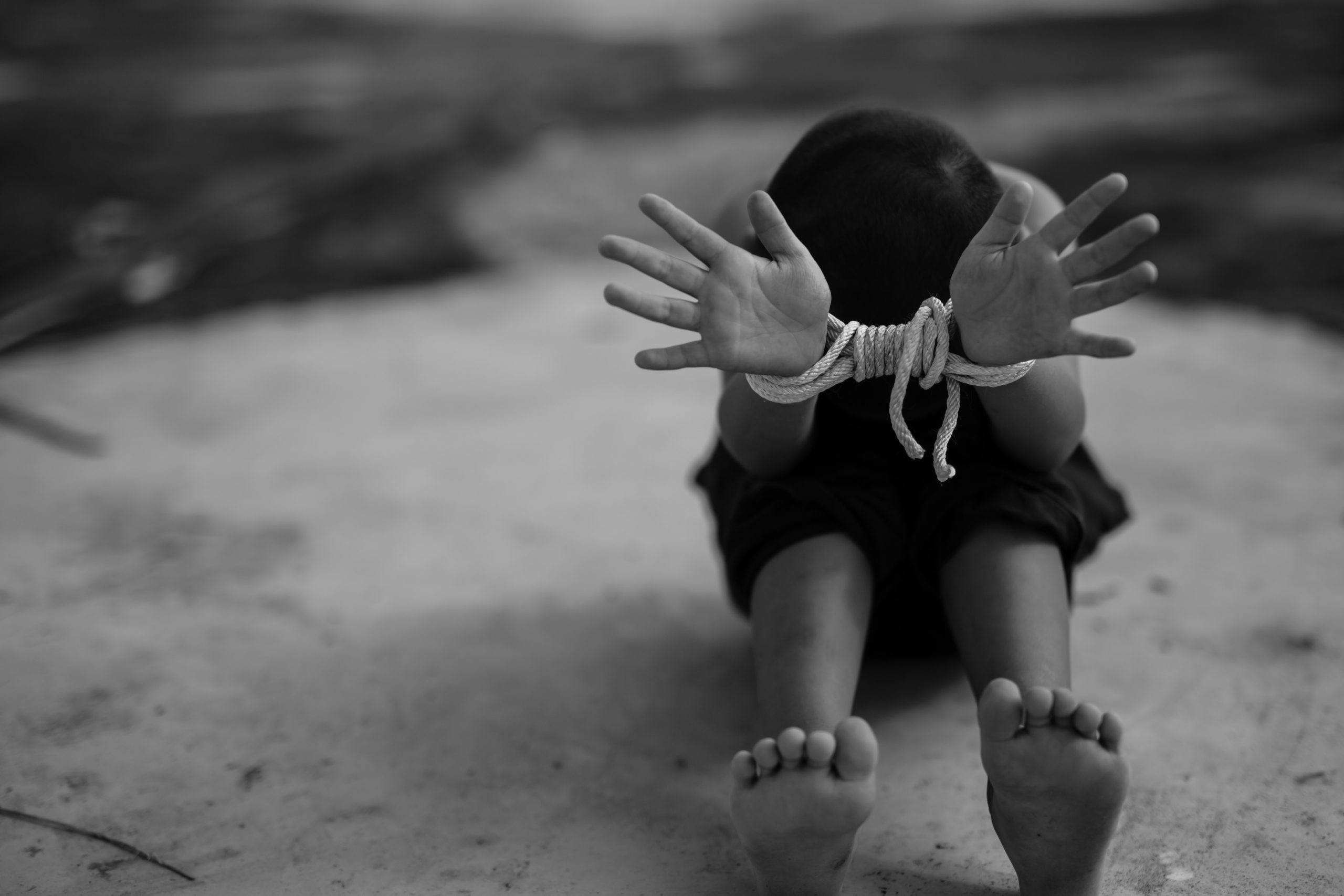
The COVID-19 pandemic has created conditions making it easier for vulnerable people to become victims of sexual exploitation and trafficking.
SHARE

Although almost 50,000 victims of human trafficking were detected and reported in 2018 by 148 countries, the “hidden nature” of the crime means that the actual number of victims could be “far higher”, the UN Office on Drugs and Crime (UNODC) said on Tuesday.  

Contents
Abuse of technology Three-fold increase in child victims  Almost 2 in 3 offenders male 

Migrants and people without jobs were among the groups most targeted by human traffickers, UNODC added, warning that the economic fallout and job losses due to the coronavirus pandemic have exposed millions more to the risk. 

“Millions of women, children and men worldwide are out of work, out of school and without social support in the continuing COVID-19 crisis, leaving them at greater risk of human trafficking”, Ghada Waly, UNODC Executive Director, said in news release announcing the findings from the agency’s report on human trafficking. 

More Read

Raw commodity exports undermining Africa’s growth – Mahama
Ayariga accuses NPP minority of hypocrisy over certificates of urgency
Every cedi lost to corruption is a loss to national development – Deputy Finance Minister
ISODEC Introduces Whistleblower Policy to Strengthen Transparency and Accountability
Minister assures resumption of Kpong Irrigation Scheme amid funding delays

“We need targeted action to stop criminal traffickers from taking advantage of the pandemic to exploit the vulnerable”, she urged. 

Abuse of technology 

UNODC’s Global Report on Trafficking in Person report found that traffickers integrated technology into their modus operandi at every stage of the process: from recruiting to exploiting victims.  

Children were especially vulnerable on social media, where many were “easy targets” for criminals.  

UNODC identified two types of tactics employed by traffickers: “hunting” or actively pursuing a victim, typically on social media; and “fishing”, when perpetrators post job advertisements and wait for potential victims to respond. 

The Internet also allowed traffickers to live stream the exploitation of their victims, enabling the simultaneous abuse of one victim by many perpetrators around the globe, said the UN agency. 

Three-fold increase in child victims  

The share of children among trafficking victims tripled over the past 15 years, with girls mainly trafficked for sexual exploitation, while boys were used for forced labour, the report said.  

It added that while female victims continued to be the primary targets for trafficking in persons, the share of adult women among detected victims fell from more than 70 per cent to less than 50 per cent, over the same time period. 

For every 10 victims detected globally in 2018, about five were adult women and two were young girls. Around 20 per cent of human trafficking victims were adult men and 15 per cent, young boys, the report added. 

Almost 2 in 3 offenders male 

The report also found that globally, most persons prosecuted and convicted of trafficking in persons were male, accounting for 64 and 62 per cent, respectively. Offenders ranged from members of organized crime groups (which traffic the great majority of victims), to individuals operating on their own or in small groups on an opportunistic basis. 

Traffickers saw their victims as “commodities” without regard for human dignity and rights, the report said, noting that they would “sell” fellow human beings for a price ranging from tens of dollars to tens of thousands, with large criminal organizations making the highest incomes. 

Source:UN News Centre
Share This Article
Facebook Whatsapp Whatsapp Email Copy Link Print

Latest News

Reproductive mental health underreported among Ghanaian women- Gynaecologist
January 26, 2026
Ghana cedi best-performing currency in Africa for 2025 – IMF
January 26, 2026
Gold surges past $5,000 for first time
January 26, 2026
How Ghana is losing water before it reaches the tap
January 22, 2026
Over 360,000 Ghanaians exited poverty in Q3 2025 – GSS report
January 21, 2026
GH¢107m EXIM loans recovered; dubious deals sent to security agencies – Trade Minister
January 21, 2026
Ga West MCE Calls for Stronger Enforcement of Disability Laws
January 20, 2026

You Might Also Like

Breaking NewsBusinesstop stories

IES defends NPA price floor policy amid debate over fuel pricing

January 19, 2026
Breaking NewsHealthtop stories

WHO Urges Governments to Raise Taxes on Sugary Drinks and Alcohol to Save Lives

January 14, 2026
Breaking NewsDevelopment Agendatop stories

Global employment stable but decent jobs in short supply

January 14, 2026
Breaking NewsGeneral Newstop stories

Supreme Court adjourns Nyindam’s case to January 28

January 13, 2026

About Us

Public Agenda is fou­nded and owned by Pu­blic Agenda Communic­ations.

Public Agenda was founded as a public interest Me­dia entity. Its Visi­on is to contribute to building a well-i­nformed society where accurate informati­on dissemination is the cornerstone of a democratic, just and equitable society.

Its mission is to inform, guide and bui­ld responsible citiz­enship and accountab­le decision making and strive for excell­ence in the media in­dustry. Public Agenda Communications is managed by a Board of Directors.

Welcome Back!

Sign in to your account

Username or Email Address
Password

Lost your password?